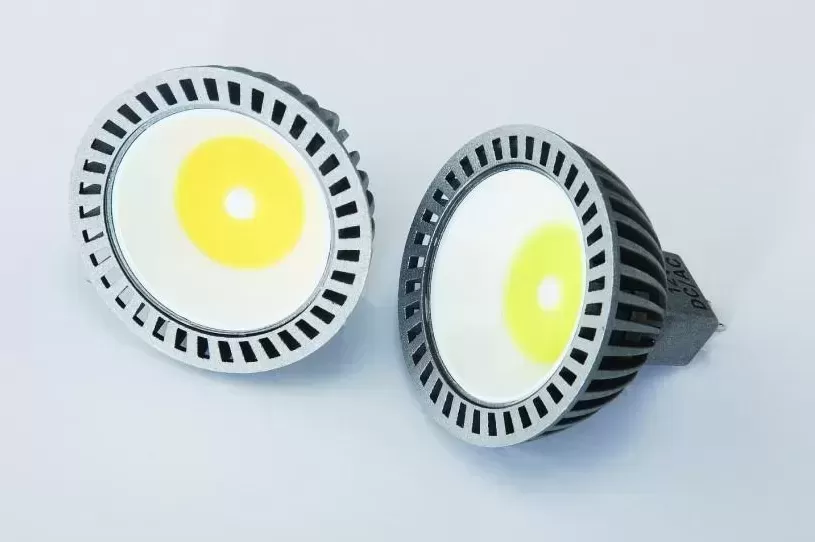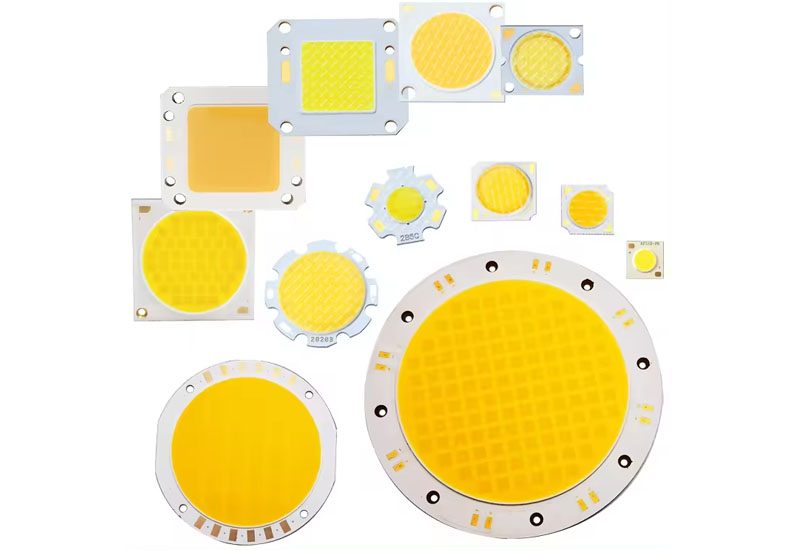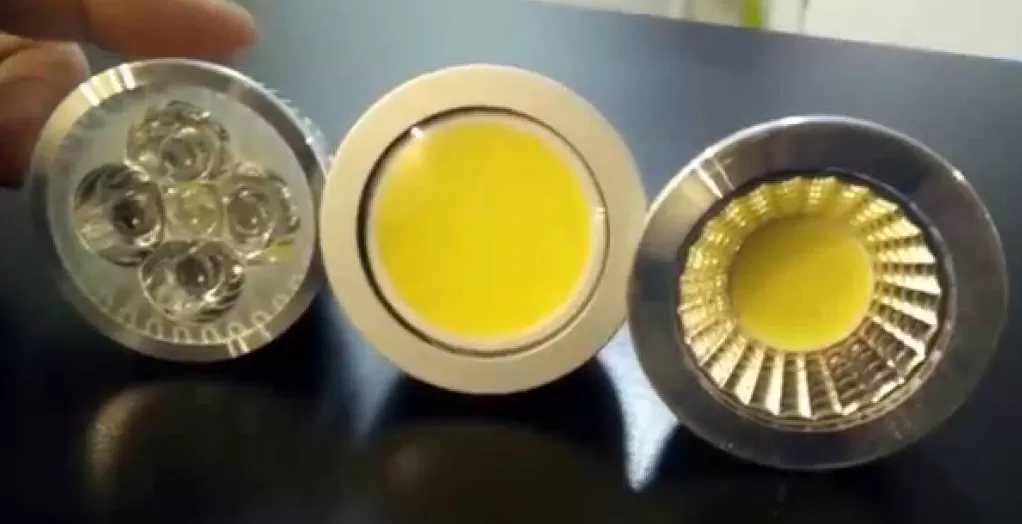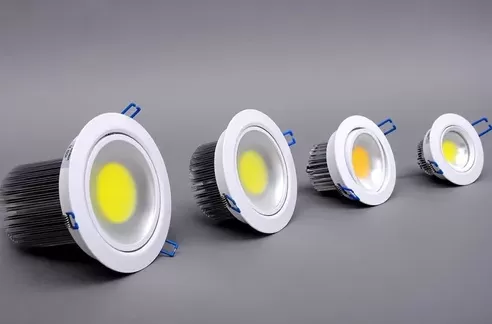
High-power solid-state lighting requires materials capable of withstanding intense thermal and optical radiation. As luminous flux demands increase in industrial, automotive, and outdoor applications, conventional packaging methodologies face severe limitations. Traditional organic encapsulants, such as epoxy and silicone, degrade rapidly under high-density blue laser or LED excitation. This degradation leads to yellowing, loss of light output, and chromaticity shifts. To resolve these challenges, the optoelectronics industry has turned to inorganic color converters. Among these, Phosphor-in-Glass, commonly abbreviated as PIG, has emerged as a reliable medium for high-power packaging designs.
Integrating inorganic glass matrices with high-efficiency phosphors enables luminescent materials to operate under extreme conditions. The resulting PIG components offer superior physical properties, making them highly suitable for demanding applications where reliability cannot be compromised. For solid-state lighting manufacturers, selecting the correct material formulation is a key step in ensuring long-term optical consistency and structural integrity. Through the development of advanced material configurations, CAS provides robust solutions tailored to these exact industrial requirements.
The Physics and Composition of PIG in Solid-State Lighting
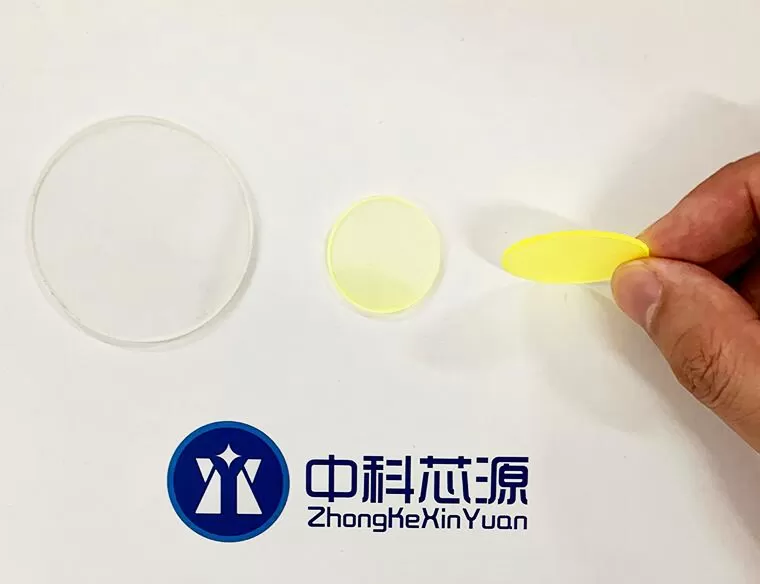
To understand the utility of PIG, one must examine its structural composition. Unlike organic silicone matrices, this material consists of inorganic phosphor particles dispersed uniformly within a low-melting-point glass matrix. The glass matrix acts as both a host medium and a protective barrier, isolating the phosphor from environmental moisture and atmospheric oxygen.
Understanding the Glass Matrix and Phosphor Dispersion
The choice of glass host is highly significant. It must feature high optical transmittance in the visible spectrum to prevent internal absorption losses. Typically, borosilicate, phosphate, or tellurite glass systems are selected based on their thermal properties and refractive indices. Phosphor powders, such as Yttrium Aluminum Garnet (YAG:Ce) or LuAG, are mixed into the ground glass frit. During the manufacturing process, maintaining a uniform dispersion is necessary to prevent local concentration quenching and to ensure a homogeneous emission pattern across the surface of the component.
Manufacturing Processes: Sintering and Co-firing
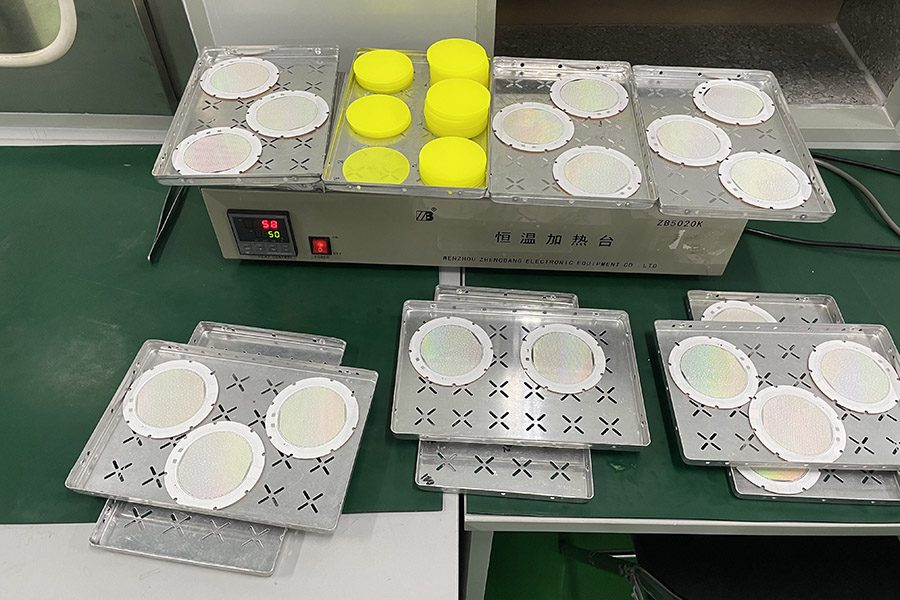
The fabrication of PIG involves precise thermal processing. The mixture of glass powder and phosphor is compacted and sintered at temperatures ranging from 500°C to 800°C, depending on the glass transition temperature. This temperature range must be carefully controlled; excessive heat can cause a chemical reaction at the interface between the glass and the phosphor particles, degrading the quantum efficiency of the phosphor. Conversely, insufficient heating leads to residual porosity, which increases internal light scattering and reduces overall extraction efficiency. CAS utilizes refined sintering profiles to minimize chemical degradation at these boundaries, preserving high conversion efficiency.
Addressing the Limitations of Traditional LED Encapsulants
Conventional light-emitting diode designs rely heavily on organic silicones to suspend phosphors over the semiconductor die. While this approach is cost-effective for low-to-medium power applications, it fails under high-power densities.
Thermal Runaway and Binder Degradation
Silicone materials possess relatively low thermal conductivity, typically under 0.2 W/m·K. When an LED operates at high currents, the heat generated by the Stokes shift in the phosphor cannot escape efficiently. This local heat accumulation raises the temperature of the phosphor layer, causing thermal quenching—a phenomenon where conversion efficiency drops as temperature rises. If the temperature exceeds the limits of the organic binder, the silicone turns yellow or brown, permanently reducing light output and causing thermal runaway. Transitioning to a inorganic PIG matrix, which exhibits thermal conductivity five to ten times higher than silicone, allows heat to dissipate rapidly to the ceramic submount or heat sink.
Chromaticity Shift and Color Stability Over Time
Spectral stability is a primary metric for high-end lighting installations. As organic binders degrade, their optical transmission properties change, leading to an undesirable shift in the correlated color temperature (CCT) and color rendering index (CRI). In outdoor street lighting or commercial architectural installations, this shift results in visible color inconsistencies across different fixtures. Inorganic PIG materials maintain their structural and chemical integrity under prolonged exposure to high-intensity blue light and elevated operating temperatures, preventing chromaticity shifts over tens of thousands of hours.
Structural Benefits of Implementing PIG Systems
The replacement of organic polymers with an inorganic glass matrix yields several distinct mechanical and optical benefits for system designers.
Enhanced Thermal Dissipation: The inorganic glass network provides a continuous pathway for thermal energy conduction, reducing hot-spot temperatures within the phosphor layer.
Hermetic Protection: Glass is naturally impermeable to gas and moisture. This hermeticity protects sensitive phosphor compositions, such as nitrides or sulfides, from moisture-induced degradation.
High Laser Damage Threshold: In laser-pumped phosphor systems, the power density can exceed several watts per square millimeter. PIG components withstand these intense localized energy densities without melting or charring.
Mechanical Rigidity: The rigid structure of sintered glass plates facilitates precise mechanical alignment and mounting, which is particularly beneficial in complex optical assemblies.
Primary Application Scenarios for PIG Technology
The robust nature of PIG makes it suitable for application environments where failure is not an option and maintenance access is difficult or costly.
High-Beam Automotive Headlamps and Laser Diode Systems
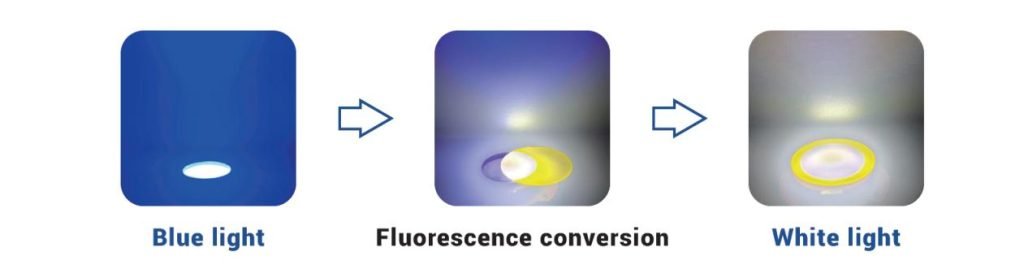
Modern automotive headlight designs demand compact light sources with extremely high luminance to project light over long distances. Laser-activated remote phosphor (LARP) systems utilize blue laser diodes focused onto a small phosphor target to generate white light. Due to the extreme power density of the laser beam, only highly stable converter materials like PIG can be used. The material converts the intense laser light into high-intensity white light without degradation, enabling adaptive driving beams and ultra-long-range high beams.
Industrial High-Bay and Outdoor Stadium Lighting
Industrial facilities, warehouses, and sports arenas require high-lumen fixtures that operate continuously. Replacing fixtures in these locations involves high labor costs and operational downtime. By incorporating PIG components into these high-power luminaires, manufacturers can guarantee extended operating lifetimes even in high-ambient-temperature environments. This reduces the total cost of ownership for end-users by minimizing replacement cycles.
Marine and Explosion-Proof Lighting Environments
Marine lighting fixtures are subjected to salt spray, high humidity, and corrosive atmospheres, while chemical processing plants require explosion-proof, completely sealed fixtures. The chemical inertness of the glass matrix in PIG prevents environmental acids, bases, and moisture from reacting with the internal phosphor. This ensures that the light source maintains its optical parameters even when the outer protective housing of the fixture is subjected to harsh environmental stress.
Engineering Considerations for Integrating PIG into Lighting Fixtures
Successfully implementing PIG into a solid-state lighting product requires careful attention to optical and thermal interfaces during the system design phase.
Matching Coefficients of Thermal Expansion (CTE)
When bonding a PIG plate to a substrate—such as an aluminum nitride (AlN) or alumina (Al2O3) ceramic submount—designers must consider the coefficient of thermal expansion. A significant mismatch in CTE between the glass matrix and the substrate can induce high mechanical stress during thermal cycling, potentially leading to delamination or cracking of the glass. Selecting a glass matrix with a CTE that closely matches the ceramic substrate is necessary for maintaining structural integrity across wide temperature ranges.
Optical Refractive Index Optimization
To maximize light extraction, the refractive index of the glass matrix should be matched as closely as possible to both the phosphor particles and the surrounding media. A large index mismatch at the phosphor-glass interface increases backscattering, redirecting light toward the LED chip where it may be absorbed. Utilizing glass matrices with optimized refractive indices reduces these internal reflection losses, increasing the overall package efficiency.
The CAS Approach to High-Performance Phosphor Components
As an industry provider, CAS focuses on addressing the specific material challenges associated with high-power solid-state lighting. By utilizing advanced manufacturing processes, CAS produces high-quality PIG components that meet strict optical and thermal specifications. The materials are engineered to ensure uniform color distribution, high thermal dissipation, and long-term durability under demanding operating conditions. Through collaborative engineering support, CAS assists manufacturers in optimizing their package designs to achieve maximum efficiency and reliability.
Frequently Asked Questions
Q1: What is the main difference between PIG and traditional
single-crystal phosphor plates?
A1: PIG consists of phosphor
particles dispersed within a sintered glass matrix, offering flexibility in
adjusting the phosphor concentration and composition to achieve specific color
targets. Single-crystal phosphor plates are grown as a single continuous crystal
structure, which provides higher thermal conductivity but is more expensive to
manufacture and offers less flexibility in adjusting color coordinates.
Q2: How does PIG perform under continuous blue laser
excitation?
A2: PIG exhibits excellent stability under continuous
blue laser excitation because of its inorganic glass structure. It possesses a
high laser damage threshold, allowing it to convert high-density laser energy
into white light without experiencing thermal degradation or discoloration.
Q3: Can PIG withstand highly corrosive chemical
environments?
A3: Yes, the glass matrix used in PIG is chemically
inert and highly resistant to moisture, acids, alkalis, and salt spray. This
makes it suitable for specialized applications such as marine lighting, chemical
plant illumination, and outdoor architectural installations.
Q4: What color temperatures (CCT) are available with CAS PIG
components?
A4: CAS offers PIG solutions across a wide range of
Correlated Color Temperatures, from warm white to cool white. By adjusting the
ratio and types of phosphors (such as green-emitting and red-emitting phosphors)
within the glass matrix, the spectral output can be customized to meet specific
application requirements.
Q5: How does implementing PIG impact the overall thermal management
design of a fixture?
A5: Because PIG has significantly higher
thermal conductivity than silicone-based encapsulants, it conducts heat away
from the conversion layer much more efficiently. This reduces the operating
temperature of the phosphor, allowing system engineers to design more compact
heat sinks or run the light source at higher drive currents without risking
thermal quenching.
Contact Us for Professional Solutions
Achieving reliable performance in high-power lighting applications requires high-quality materials and precise engineering. CAS provides high-performance PIG solutions designed to meet the rigorous demands of automotive, industrial, and specialized solid-state lighting systems. If you are looking to improve the thermal stability, optical efficiency, and lifespan of your high-power lighting fixtures, please contact our technical team today to submit an Inquiry. Our engineers are ready to assist you with material selection, optical customization, and system integration support.