Automotive lighting systems have transitioned from functional visibility tools to sophisticated components that define vehicle identity and safety parameters. Among these, the auxiliary lighting mounted within front and rear bumpers plays a significant role. The selection of an appropriate bumper light light source determines not only the aesthetic appeal of a vehicle but also its adherence to international safety standards and long-term durability in harsh environmental conditions.
For B2B procurement specialists and automotive engineers, understanding the nuances of semiconductor lighting, thermal dissipation, and optical precision is necessary. This analysis examines the technical requirements and industry standards that govern the modern light source for bumper assemblies, ensuring that manufacturers can meet the rigorous demands of the global automotive market.
The Shift Toward Advanced Semiconductor Technology
Historically, bumper lights relied on halogen bulbs, which provided sufficient illumination but suffered from high power consumption and limited lifespans. The industry has largely moved toward Light Emitting Diodes (LEDs) as the primary bumper light light source. This shift is driven by the need for compact form factors, higher luminous efficacy, and the ability to integrate smart lighting features like dynamic turn signals and adaptive daytime running lights (DRLs).
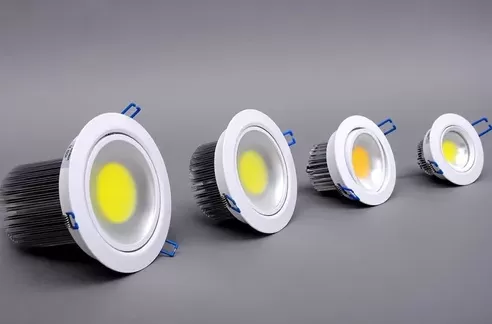
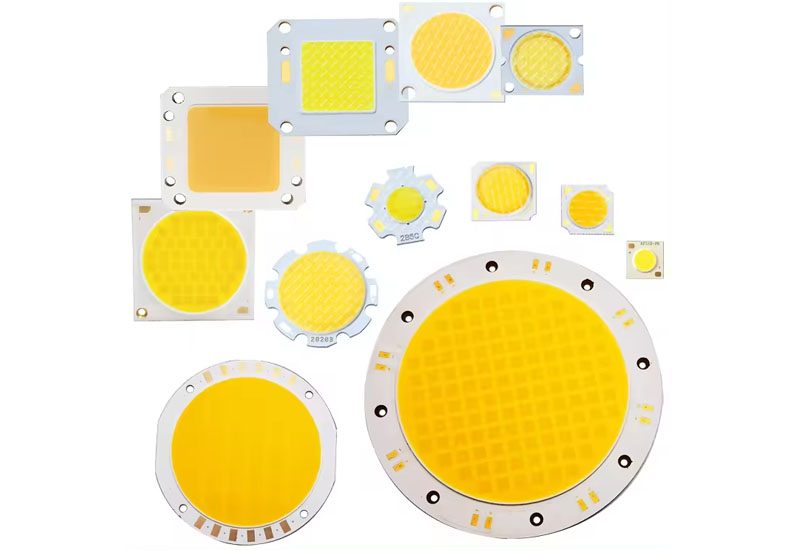
Modern LED packages, such as Surface Mount Devices (SMD) and Chip-on-Board (COB) arrays, allow for precise control over light distribution. In the B2B sector, companies like [CAS] have paved the way in providing robust semiconductor solutions that withstand the mechanical stresses of the road. High-performance LEDs offer a response time that is nanoseconds faster than incandescent sources, which can provide additional braking distance for trailing vehicles, thereby increasing overall road safety.
1. Thermal Management and Heat Dissipation Architectures
The performance of any bumper light light source is directly proportional to its ability to manage heat. Excessive junction temperatures lead to luminous decay and chromaticity shifts, which can compromise the lighting fixture's integrity. Unlike traditional bulbs that radiate heat through infrared energy, LEDs conduct heat through their substrate.
Metal Core Printed Circuit Boards (MCPCB)
To facilitate efficient thermal transfer, high-quality bumper lights utilize MCPCBs. These boards use a copper or aluminum base to draw heat away from the LED chips. This architecture ensures that the semiconductor remains within its optimal operating temperature range, even during prolonged operation in high-ambient-temperature regions.
Thermal Interface Materials (TIM)
The interface between the light source and the housing is a common point of failure. Utilizing high-conductivity thermal greases or pads is a standard practice for premium manufacturers. By minimizing the thermal resistance at these junctions, the system maintains a stable lumen output over its 50,000-hour rated lifespan.
2. Optical Design and Beam Pattern Precision
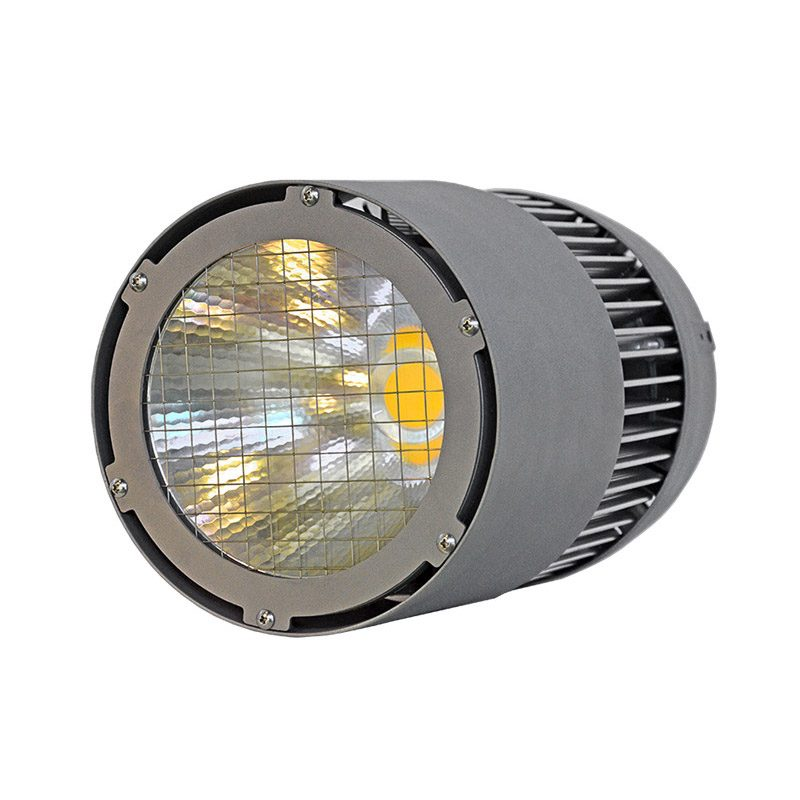
A bumper light is not merely a signal; it is an optical system. The bumper light light source must be paired with precision-engineered reflectors and lenses to achieve the desired beam pattern. Whether the application is for fog lights, which require a wide, horizontal cut-off, or DRLs, which require high-intensity visibility without glaring other drivers, the optical geometry is paramount.
Reflector Geometry: Complex parabolic reflectors are often used to direct light from an SMD source into a focused beam.
Total Internal Reflection (TIR) Lenses: These lenses capture nearly all light emitted by the LED, providing a more efficient and directed beam than traditional optics.
Collimation: Ensuring that light rays are parallel is vital for auxiliary lamps that need to project light further down the road surface.
3. Material Science in Lens and Housing Selection
The environment where a bumper light resides is prone to impact from road debris, exposure to UV radiation, and contact with various automotive chemicals. Therefore, the materials surrounding the bumper light light source must be chosen for their durability and clarity.
Polycarbonate (PC) is the industry standard for lenses due to its high impact resistance. However, without a specialized UV-resistant coating, PC can yellow over time, reducing the light output. For higher-end applications, Polymethyl Methacrylate (PMMA) or Acrylic is used for its superior optical clarity and UV stability, though it is more brittle than PC. Selecting the right balance between these materials is a key decision for [CAS] during the product development phase.
4. Ingress Protection (IP) and Environmental Sealing
Bumper lights are positioned in areas highly susceptible to water spray, mud, and dust. A failure in the seal leads to moisture ingress, which causes fogging of the lens and potential short-circuiting of the LED driver. High-quality light sources must be rated at least IP67, indicating they are dust-tight and can withstand immersion in water. Breathable membranes, such as those made from expanded PTFE, are often integrated into the housing to allow for pressure equalization without allowing moisture to enter the assembly.
5. Electromagnetic Compatibility (EMC) and Driver Stability
Modern vehicles are packed with sensitive electronics, from ADAS sensors to infotainment systems. A poorly designed bumper light light source can emit electromagnetic interference (EMI) that disrupts these systems. B2B manufacturers must ensure their LED drivers comply with CISPR 25 standards, which regulate conducted and radiated emissions in the automotive environment.
Furthermore, the driver must handle the volatile electrical environment of a vehicle. Alternator spikes and load-dump scenarios can deliver voltages far exceeding the nominal 12V or 24V systems. Robust circuit protection, including Transient Voltage Suppressors (TVS) and high-quality capacitors, ensures the light source does not flicker or fail during engine start-up or heavy electrical loading.
6. Regulatory Compliance and Global Standards
Navigating the global automotive market requires strict adherence to regional regulations. The light source must meet specific photometric requirements to be legal for road use. [CAS] emphasizes the importance of these standards in ensuring market access and consumer safety.
ECE Regulations (Europe): Standards such as R19 (Fog lamps) or R87 (Daytime Running Lights) specify the luminous intensity, color, and beam pattern required.
DOT/SAE Standards (North America): These standards focus on the performance and durability of the lighting unit in various environmental conditions.
CCC (China): The Compulsory Certification is necessary for products entering the Chinese automotive sector.
7. Color Consistency and Chromaticity Binning
In a B2B context, consistency is everything. If an OEM receives a shipment where the color temperature of the bumper lights varies from 5000K to 6500K, the visual quality of the vehicle fleet is compromised. This is why "binning" is a vital part of the manufacturing process. LED manufacturers sort their chips based on luminous flux, voltage, and chromaticity. Professionals sourcing a bumper light light source should insist on 3-step or 5-step MacAdam Ellipse binning to ensure that every light unit looks identical to the next.
Addressing Common Industry Pain Points
Many procurement teams encounter issues with "off-the-shelf" components that fail to meet the rigorous vibrations and thermal cycles of automotive use. The solution lies in choosing light sources that have undergone Accelerated Life Testing (ALT). This involves subjecting the units to extreme temperature swings and high-frequency vibrations to simulate years of road wear in a matter of weeks. By prioritizing these testing protocols, [CAS] ensures that their products maintain performance in the most demanding climates, from arctic cold to desert heat.
Future Trends: Adaptive and Smart Bumper Lighting
The future of the bumper light light source is moving toward digitalization. Matrix LED systems, previously reserved for high-end headlamps, are finding their way into bumper assemblies. These systems allow for "blacking out" certain sections of the beam to avoid blinding other road users while maintaining high visibility in other areas. Additionally, the integration of RGBW (Red, Green, Blue, White) LEDs allows for customizable welcome light sequences, which is a growing trend in vehicle personalization.
Selecting the Right Partner
Choosing a bumper light light source is a multifaceted engineering challenge that spans semiconductor physics, mechanical design, and regulatory navigation. For B2B buyers, the focus must remain on reliability, thermal efficiency, and optical precision. By selecting components that meet or exceed international standards, manufacturers can ensure their vehicles provide both safety and a premium brand image.
As an industry leader, [CAS] continues to drive innovation in the automotive lighting sector, providing the technical expertise and high-quality components necessary for the next generation of vehicle lighting. Focusing on technical excellence over generic solutions is the path to long-term success in the global automotive supply chain.
Are you looking to integrate high-performance lighting solutions into your next vehicle project? Contact our engineering team today for a technical consultation and inquiry.
Frequently Asked Questions (FAQ)
Q1: Why is LED preferred over halogen for a bumper light light source?
A1: LEDs offer significantly higher luminous efficacy, longer operational life (up to 50,000 hours), and faster response times. Additionally, their compact size allows for more creative and aerodynamic vehicle designs compared to bulky halogen reflectors.
Q2: How does moisture ingress affect the longevity of bumper lights?
A2: Moisture can lead to corrosion of the metal traces on the PCB and cause short circuits in the LED driver. Even if the light remains functional, internal condensation obscures the lens, reducing light output and failing safety inspections.
Q3: What is the significance of "binning" in LED procurement?
A3: Binning is the process of sorting LEDs by their output characteristics. In automotive applications, precise color binning is necessary to ensure that all lights on a vehicle—and across a production line—maintain a uniform color temperature and brightness.
Q4: Can a bumper light light source interfere with vehicle sensors?
A4: Yes, if the LED driver is not properly shielded, it can emit electromagnetic interference (EMI) that may affect parking sensors, radar units, or even radio reception. High-quality sources are tested for EMC compliance to prevent these issues.
Q5: What is the role of a breathable membrane in a bumper light assembly?
A5: A breathable membrane (like PTFE) allows air to move in and out of the light housing as it heats up and cools down. This prevents a vacuum from forming, which could suck in moisture through the seals, while still maintaining a barrier against water and dust.