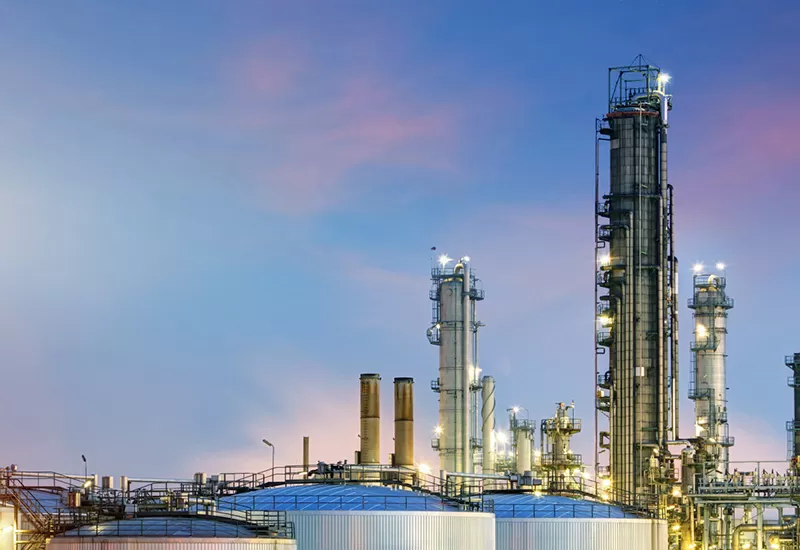
Industrial manufacturing facilities, chemical processing plants, and marine ports present some of the most demanding operating environments for illumination systems. Heavy dust accumulation, moisture intrusion, high ambient temperatures, and corrosive chemical vapors constantly threaten the integrity of solid-state lighting components. When standard commercial fixtures are deployed in these sectors, they frequently suffer premature failure due to seal degradation, driver overheating, or housing corrosion. To address these systemic issues, industrial lighting manufacturer CAS has developed an integrated design framework structured around a robust protective shield concept.
This systematic engineering methodology focuses on safeguarding delicate optical arrays and driver electronics from external environmental stressors. By analyzing the physical and chemical degradation mechanisms that affect luminaire lifespan, industrial operators can better understand how a structured shield approach preserves performance, minimizes maintenance cycles, and ensures operational safety under extreme conditions.
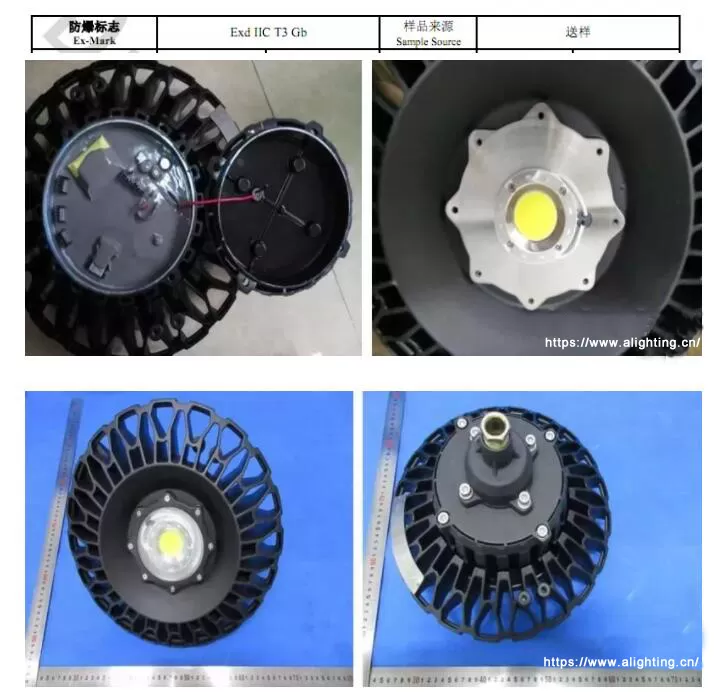
Understanding Industrial Lighting Degradation Mechanisms
Before examining protective solutions, it is necessary to identify the environmental pressures that cause premature LED failure. Unlike conventional lighting, LED luminaires are highly sensitive to thermal and chemical changes. The primary degradation mechanisms include:
Thermal Runaway and Junction Temperature Elevation: LED lifespan is directly linked to the junction temperature ($T_j$) of the diode. High ambient temperatures, combined with inadequate heat dissipation, raise $T_j$, leading to rapid lumen depreciation and color shifting.
Chemical Penetration and Corrosive Gas Exposure: Corrosive agents such as hydrogen sulfide, chlorine, and ammonia can penetrate low-grade gaskets. Once inside the luminaire, these gases attack the silver reflective layer on LED lead frames, reducing light output and causing open circuits.
Ingress of Fine Particulates and High-Pressure Moisture: Dust accumulation blocks light output and acts as an insulating blanket, trapping heat inside the fixture. High-pressure washdowns in food processing or heavy industrial operations can compromise standard seals, leading to internal short circuits.
Galvanic and Atmospheric Corrosion: In coastal or marine environments, salt spray initiates electrochemical oxidation on metal surfaces. If the luminaire housing lacks a protective barrier, structural integrity is lost, compromising the safety of the entire installation.
To mitigate these risks, industrial luminaire design must incorporate a multi-layered shield that isolates internal components from external threats without sacrificing light distribution or heat dissipation efficiency.
The Core Elements of the CAS Shield Design Standard
The CAS shield engineering philosophy addresses these degradation mechanisms through four distinct, integrated protective systems. Each system is designed to handle specific environmental stresses while maintaining the overall efficiency of the lighting fixture.
1. Ingress Protection and Mechanical Sealing
Maintaining a hermetic seal over years of operation requires advanced materials and precise manufacturing tolerances. The sealing system serves as the primary environmental shield against dust and liquid ingress. Rather than relying on standard flat neoprene gaskets, which tend to take a compression set and degrade under ultraviolet exposure, the design utilizes high-grade, continuous-pour silicone gaskets. These gaskets are applied via robotic dispensing systems into CNC-machined grooves, ensuring uniform compression across the sealing surface.
This precise mechanical fit allows the fixture to achieve IP66, IP67, and IP69K ingress ratings. In practice, this means the luminaire can withstand high-pressure, high-temperature washdowns (up to 100 bar at 80°C) without any water breaching the interior chamber. The mechanical assembly also utilizes marine-grade 316 stainless steel fasteners to maintain constant pressure on the gasket seal over decades of thermal expansion and contraction cycles.
2. Thermal Separation and Dissipation Structures
Effective thermal management requires a clear path of low thermal resistance from the LED junction to the ambient air. The thermal shield design addresses this by separating the electronic driver compartment from the LED optical chamber. Because the driver is often the component most vulnerable to heat-induced failure, isolating it prevents the heat generated by the LEDs from raising the operating temperature of the driver capacitors.
The luminaire housing is constructed from high-pressure die-cast aluminum with low copper content (less than 0.1%), which provides high thermal conductivity. The exterior surface features vertical, self-cleaning cooling fins. These fins are spaced to prevent dust and debris accumulation, allowing natural convective airflow to continuously carry heat away from the fixture. By keeping the LED junction temperature well below its maximum rated threshold, the thermal design ensures the light source retains 90% of its initial output even after 100,000 hours of continuous operation.
3. Chemical Barrier and Corrosion-Resistant Coatings
In petrochemical plants, paper mills, and fertilizer facilities, the atmosphere is saturated with corrosive gases and moisture. To protect the underlying aluminum alloy housing, a multi-stage surface treatment process is applied. The housing undergoes an acid wash, demineralized water rinsing, and a chromate conversion coating before receiving a thermosetting epoxy powder coat. This process creates a chemical shield that isolates the metal from the ambient environment.
This coating system is rigorously tested under ASTM B117 salt spray standards for over 1000 hours to verify that the paint film remains free of blistering, cracking, or loss of adhesion. The protective coating also prevents galvanic corrosion at the contact points between the aluminum housing and stainless steel fasteners, maintaining structural safety in highly saline marine settings.
4. Optical Shielding and High-Comfort Diffusers
High-bay industrial lighting often produces intense glare, which can impair worker vision and increase safety risks in warehouses and assembly lines. The optical shield utilizes specialized secondary optics and diffusers to manage light distribution. By using impact-resistant tempered glass or UV-stabilized polycarbonate covers, the system protects the delicate LED chips from physical impact while controlling glare.
Micro-prismatic diffusers disperse the high-intensity light points into a wider, more uniform beam pattern, reducing the Unified Glare Rating (UGR) to comfortable levels. This optical refinement is achieved with minimal reduction in luminous efficacy, ensuring that energy-efficient light delivery is not compromised for visual comfort.
Industrial Application Profiles
Implementing the CAS shield design across different sectors demonstrates how tailored engineering meets specific operational needs.
Heavy Foundry and Steel Processing
Foundry environments are characterized by high ambient heat, vibrational stress, and conductive iron dust. In these settings, fine dust can settle on horizontal surfaces, creating a fire hazard and blocking thermal dissipation. The sloped housing and vertical fin design of the protected luminaire prevent dust from settling, while the thermal isolation chamber allows the fixture to operate reliably in ambient temperatures reaching up to 65°C. Vibration-damping mounts are also integrated to protect internal connections from mechanical fatigue caused by heavy machinery.
Pulp, Paper, and Chemical Processing Facilities
Chemical processing operations frequently expose equipment to acidic vapors, moisture, and chlorine gas. The epoxy-polyester powder coat acts as an impermeable shield, preventing chemical attack on the housing. The robust silicone gasketing prevents these acidic vapors from entering the optical chamber, protecting the internal LED chips from sulfuration, which would otherwise lead to rapid lumen depreciation and system failure.
Food and Beverage Washdown Environments
In food processing plants, cleanliness is maintained through strict sanitization procedures involving high-pressure water jets and aggressive cleaning chemicals. The IP69K-rated housing seal ensures that water cannot penetrate the luminaire during these daily cleaning cycles. Additionally, the non-porous surface of the housing and the absence of exposed cooling fins minimize areas where bacteria or organic material can accumulate, supporting compliance with strict hygiene regulations.
Economic Analysis of Protective Fixture Design
Selecting luminaires with advanced protective systems involves a higher initial capital expenditure compared to standard commercial lighting. However, a detailed B2B financial assessment reveals a much lower total cost of ownership (TCO) over the lifetime of the installation. The economic advantages stem from three main areas:
| Cost Factor | Standard Commercial Lighting | CAS Shield Engineered Lighting | |
|---|---|---|---|
| Average Lifespan (Hours) | 30,000 to 50,000 | 100,000+ (L90) | Low-cost fixtures require replacement up to three times more often. |
| Maintenance and Replacement Labor | High (frequent driver and fixture swaps) | Minimal (long-term reliability) | Reduces the need for scaffolding, scissor lifts, and maintenance personnel. |
| Operational Downtime Losses | Significant (production halts during maintenance) | Near Zero | Reliable lighting prevents unplanned shutdowns in production areas. |
| Energy Efficacy Retention | Rapid depreciation due to thermal stress | Stable performance over lifetime | Maintains targeted lux levels without over-specifying initial fixtures. |
By investing in a robust shield architecture, industrial facilities reduce their maintenance overhead and eliminate unplanned downtime, allowing operations to run continuously and predictably. The reduction in replacement frequency also supports sustainability objectives by minimizing electronic waste and material consumption over the long term.
Frequently Asked Questions
Q1: What specific ingress protection ratings are achieved by the CAS shield design, and how are they verified?
A1: The luminaires achieve IP66, IP67, and IP69K ratings. Verification is conducted through independent laboratory testing, which subjects the fixtures to dust chambers filled with circulating talcum powder for 8 hours, immersion in water at a depth of 1 meter for 30 minutes, and high-pressure water jets spraying from multiple angles at a rate of 14–16 liters per minute, with water temperatures at 80°C and pressures up to 100 bar.
Q2: How does the thermal shield component extend the operating life of the LED driver?
A2: The thermal shield design physically separates the driver compartment from the LED board, creating an air gap that reduces conductive heat transfer. This layout lowers the internal temperature of the driver compartment by up to 15°C compared to conventional co-located designs. Consequently, the electrolytic capacitors inside the driver operate at much cooler temperatures, preventing the electrolyte from drying out and extending driver life to match the 100,000-hour rating of the LEDs.
Q3: Does the outer chemical shield resist acidic and alkaline cleaning agents used in food processing?
A3: Yes, the exterior surface features a dual-layer epoxy-polyester powder coat that is chemically inert. This finish resists common industrial cleaning agents, including sodium hydroxide, nitric acid, and chlorine-based sanitizers. The chemical shield prevents corrosion and peeling, ensuring the fixture remains safe and clean for sanitary environments.
Q4: How does the optical shield manage glare without significantly reducing the light output of the fixture?
A4: The optical shield combines high-transmittance, low-iron tempered glass or UV-stabilized polycarbonate with precision-engineered micro-refractors. This structure redirects high-angle light that causes glare while allowing forward light to pass through with over 92% optical efficiency. This balances visual comfort (lowering UGR) with high luminous efficacy (lumens per watt).
Q5: What industrial safety certifications validate the performance of the shield under extreme conditions?
A5: Fixtures utilizing this design standard carry certifications such as UL 1598 (Luminaires), UL 1598A (Marine Vessels), and UL 844 for Hazardous Locations (Class I Division 2, Groups A, B, C, D). They also comply with CE, RoHS, and ATEX/IECEx standards, confirming that the housing and sealing systems prevent internal sparks or heat from igniting flammable gases or dusts in hazardous environments.
Request a Technical Consultation and Lighting Simulation
Selecting the right lighting system for complex industrial operations requires careful evaluation of environmental conditions, optical requirements, and structural constraints. The CAS engineering team provides detailed technical support, including dialux lighting simulations, thermal calculations, and material compatibility reviews tailored to your facility's operational environment.
To discuss your project specifications or request a product sample for technical evaluation, please contact our B2B project division. Our application engineers are available to assist in finding a reliable, long-term solution for your industrial lighting needs.