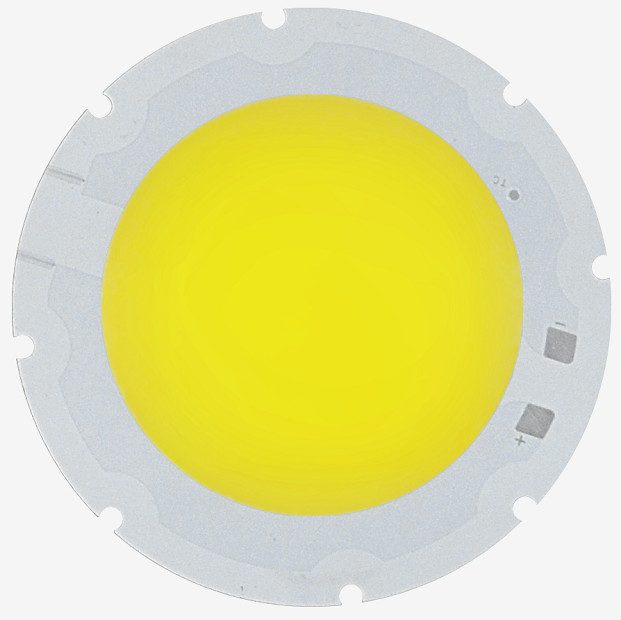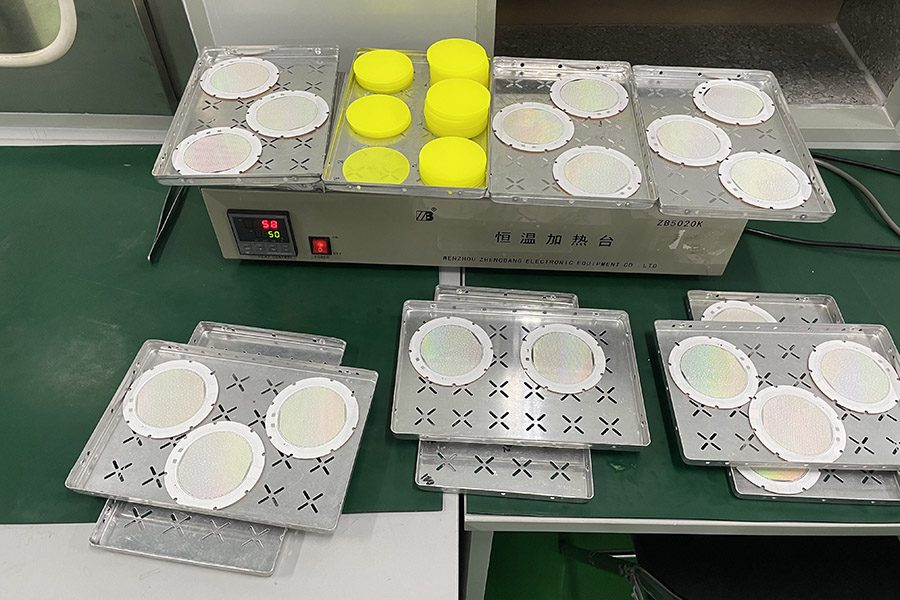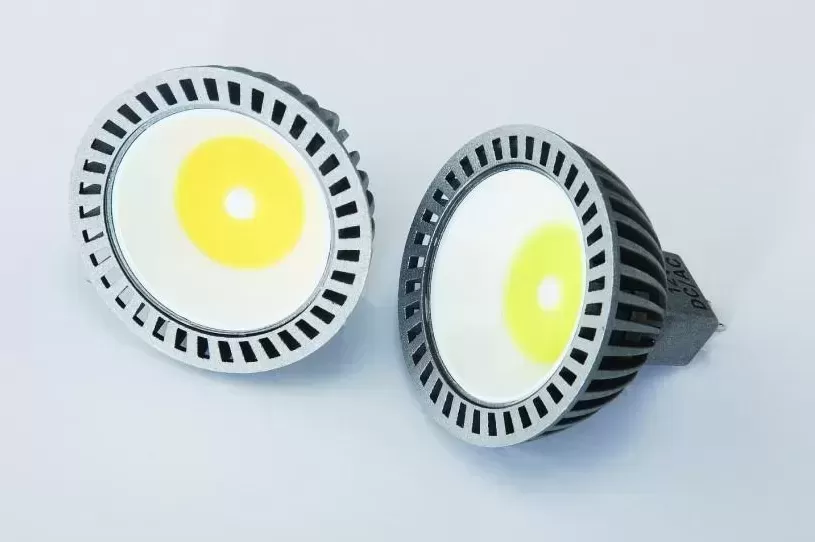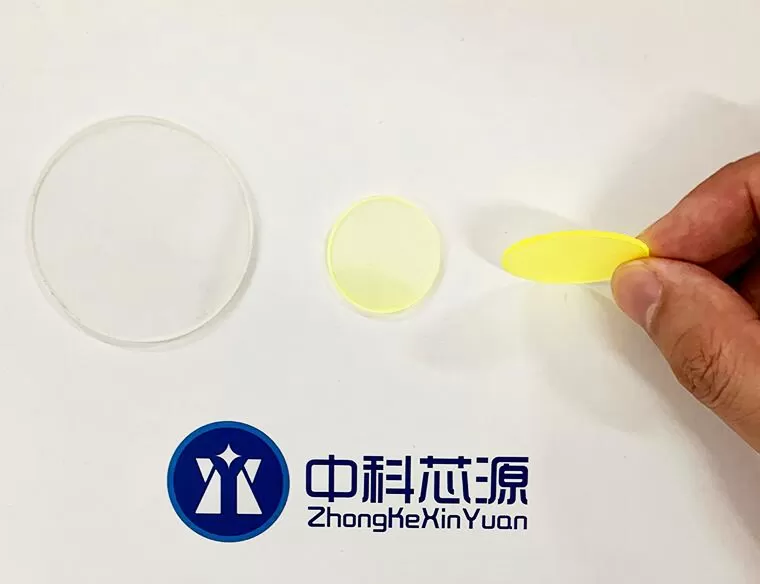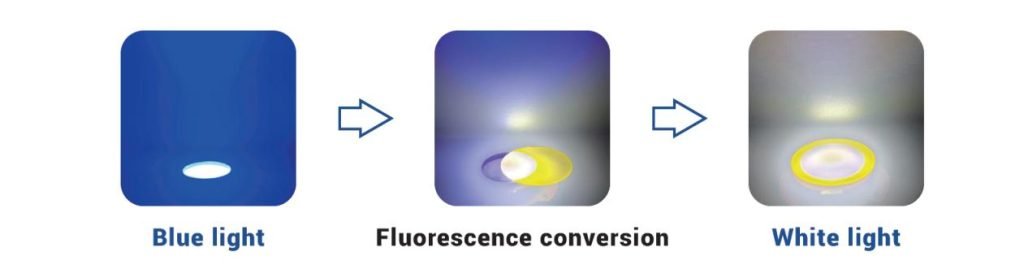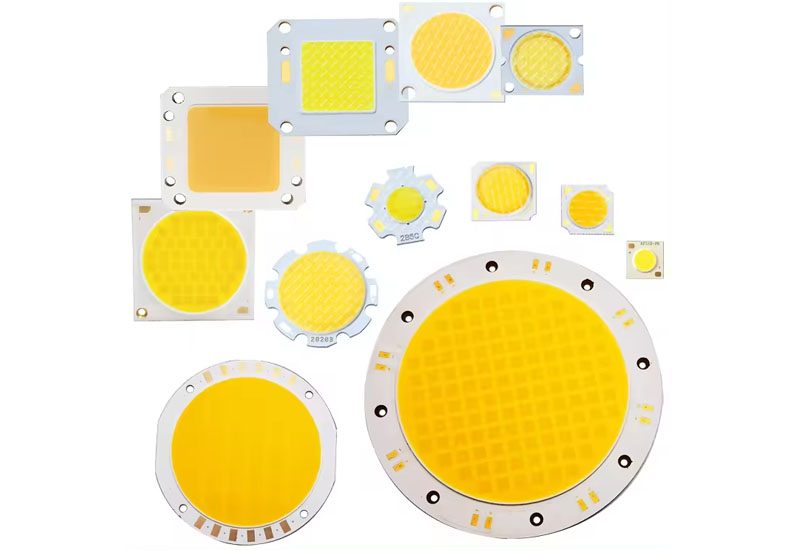
In the rapidly evolving landscape of solid-state lighting, the conversion layer remains one of the most critical determinants of system performance. For engineers and procurement specialists developing high-brightness LEDs, laser-phosphor light sources, or automotive forward lighting, choosing the correct phosphor ceramic supplier directly influences luminous efficacy, color stability, and long-term reliability. Conventional organic phosphor-silicone composites often fail under extreme flux densities—leading to thermal degradation, chromaticity shift, and premature failure. This article examines why ceramic phosphor converters have become the industry standard for demanding applications and what criteria distinguish a qualified phosphor ceramic supplier for B2B partnerships.
CAS has established itself as a precision manufacturer of sintered ceramic phosphor plates, serving global OEMs across automotive, projection, horticulture, and architectural lighting. Rather than treating phosphor conversion as a commodity, we approach it as an optical engineering challenge—matching host lattice chemistry, pore architecture, and thickness to the exact pump wavelength and target color point. Below we break down the material science, application-specific requirements, and procurement criteria that define a reliable phosphor ceramic partner.
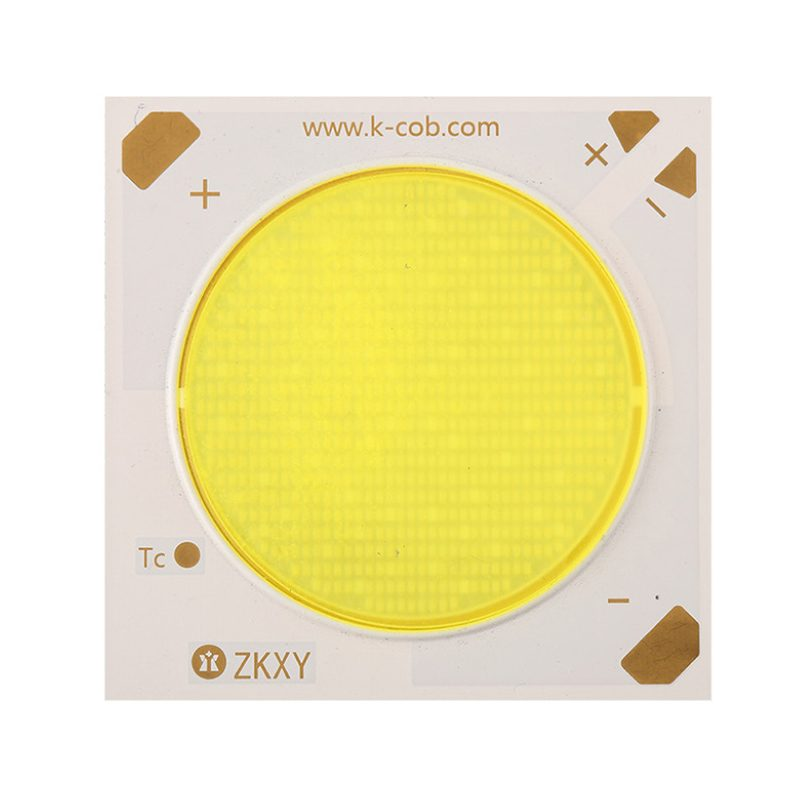
Why Ceramic Phosphor Converters Outperform Traditional Silicone Bonding
Most LED modules rely on a dispersion of YAG:Ce or nitride phosphors within a silicone or epoxy matrix. While cost-effective for mid-power LEDs, this approach fails when local heat flux exceeds 1-2 W/mm². Laser illumination and micro-LED arrays easily surpass this threshold, causing the binder to carbonize and the phosphor particles to oxidize. A phosphor ceramic supplier addresses this through a fully inorganic, sintered structure where phosphor grains are fused without organic binders. Key advantages include:
Thermal conductivity: Ceramic bodies achieve 8–15 W/m·K, versus 0.2–0.3 W/m·K for silicones. This eliminates the thermal barrier at the conversion layer.
Thermal quenching resistance: Sintered ceramic phosphors maintain >90% of room-temperature efficiency at 200°C, while silicone-based converters drop below 50%.
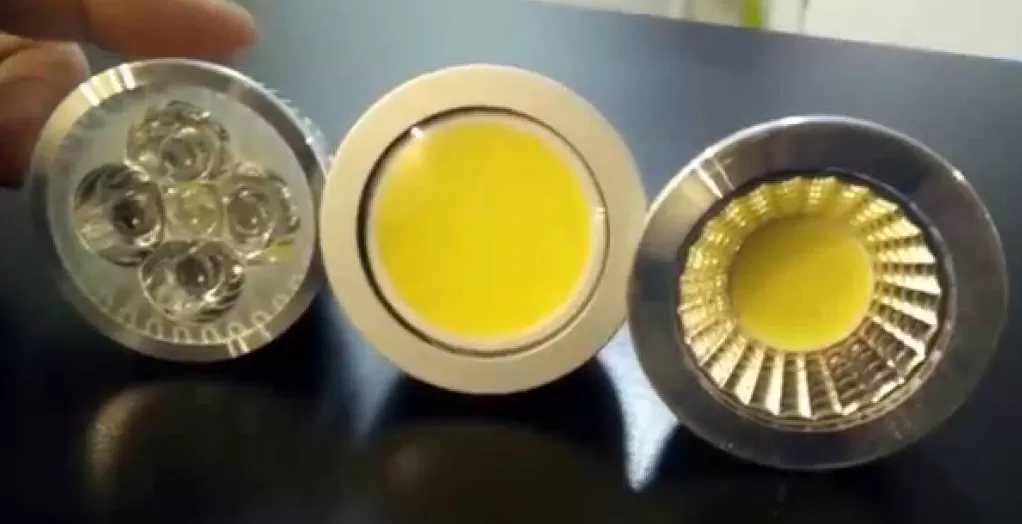
Color-over-angle uniformity: The homogeneous pore-free ceramic matrix prevents yellow-ring artifacts common in remote phosphor configurations.
No outgassing or yellowing: Under high-intensity UV/blue excitation, ceramic materials show zero degradation over 10,000+ hours.
For B2B buyers, these characteristics translate to lower warranty costs, simpler thermal management, and the ability to drive LEDs or laser diodes at higher currents—directly increasing system lumens per dollar. Consequently, leading manufacturers of stage lighting, surgical headlamps, and LiDAR emitters now mandate ceramic phosphor solutions.
Critical Material Parameters When Evaluating a Phosphor Ceramic Supplier
Not all ceramic phosphors perform identically. The manufacturing process—powder synthesis, green body forming, sintering atmosphere, and post-processing—determines the final optical properties. A competent phosphor ceramic supplier must provide full documentation on the following characteristics:
1. Conversion efficiency and saturation behavior
The quantum yield of a ceramic phosphor is measured under continuous-wave and pulsed excitation. At high flux densities ( >10 W/mm² ), even some ceramic converters show saturation due to excited-state absorption. Ask for efficiency curves up to 2× your operating point. CAS produces composite ceramics with tailored activator concentrations to push saturation thresholds beyond 30 W/mm², suitable for cinema projectors and long-range searchlights.
2. Tunable chromaticity via rare-earth doping
While Ce³⁺-doped YAG remains standard for cool-white (5700K–6500K) and neutral-white (4000K–4500K), applications requiring high color rendering (CRI >90) need nitride or oxide mixtures. A versatile phosphor ceramic supplier offers multi-layer or gradient ceramic architectures, combining a yellow-emitting layer with red-emitting (LuAG:Ce, (Sr,Ca)AlSiN₃:Eu²⁺) sections. This avoids the photon reabsorption losses of powder blends.
3. Mechanical robustness and dimensional tolerance
Thin-film ceramic plates (0.1–0.8 mm thickness) must withstand handling, thermal cycling, and vibration. Fracture toughness (K1C > 2.5 MPa·m^1/2) and edge chipping resistance are vital for automated pick-and-place assembly. CAS provides laser-cut ceramics with ±10 μm tolerance and chamfered edges, compatible with high-volume die attach processes.
4. Tailored scattering center design
Light extraction depends on residual porosity and secondary phase inclusions. For directional sources (e.g., laser diodes), low-scattering translucent ceramics produce narrow beam angles. For broad Lambertian emission, controlled porosity increases scattering. An experienced phosphor ceramic supplier will co-develop the scattering profile based on your optical simulation files.
Application-Specific Requirements for Ceramic Phosphor Converters
Each end market imposes unique constraints. We summarize the dominant use cases and the required ceramic attributes:
Automotive adaptive driving beams (ADB) & matrix LED: High thermal cycling (-40°C to 125°C) demands matched coefficient of thermal expansion (CTE) with the substrate (AlN or CuW). Ceramic plates need metalized edges for soldering. CAS provides laser-patterned ceramics for 84‑ to 300‑pixel micro‑LED arrays.
Laser-based projection (digital cinema, conference room): Blue laser diodes (445 nm / 465 nm) with power densities exceeding 100 W/mm² on the phosphor wheel require ultra-dense, low-porosity ceramics with anti-reflection coatings. Lifetime targets exceed 50,000 hours.
High-bay and stadium lighting: Industrial luminaires operating 12+ hours daily need sustained efficacy (200 lm/W system) without color shift. Thin ceramic discs mounted directly on MCPCBs simplify assembly and reduce system thermal resistance.
Medical illumination (surgical headlights, endoscopy): High color fidelity (R9 >80) and tunable correlated color temperature (CCT) from 3500K to 5000K are mandatory. Dual-layer ceramic phosphors with separate red and yellow zones provide stable CCT across dimming levels.
Horticultural LED fixtures: Broadband phosphor ceramics that convert royal blue into far-red (730 nm) and white (with red peak) improve photosynthetic efficiency. CAS develops custom phosphor blends for specific plant responses.
Industry Pain Points and How a Qualified Phosphor Ceramic Supplier Solves Them
B2B lighting manufacturers often encounter four recurring challenges when sourcing conversion materials. Understanding these pitfalls will help procurement teams write effective specifications.
Pain point 1: Inconsistent color binning across batches
Silicone‑based phosphor mixing suffers from sedimentation during curing, leading to center-to-edge color variation. Even some ceramic suppliers fail to control sintering shrinkage uniformity, producing chromaticity offsets of up to 0.01 Δu′v′. Solution: A reliable phosphor ceramic supplier like CAS uses optical sorting and 100% spectral measurement on each plate, guaranteeing MacAdam ellipse 2-step or better. Certificates of conformance are provided per lot.
Pain point 2: Lumen depreciation under high humidity
Phosphor hydrolysis is accelerated in non-hermetic ceramic microstructures. Open porosity allows moisture ingress, forming hydroxide species that quench Ce³⁺ ions. CAS applies a proprietary sealing treatment (silica‑based infiltration) that reduces open porosity to <0.1%, passing the 85°C/85%RH test for 1000 hours with less than 2% luminous flux loss.
Pain point 3: Difficulty integrating with secondary optics
Ceramic plates often have rough surfaces that cause light scattering, reducing coupling efficiency into total internal reflection (TIR) lenses or light guides. Solution: Double-side polishing to <20 nm Ra surface roughness and optional anti-reflective (AR) coating for index matching. CAS offers AR stack (SiO₂/Ta₂O₅) that increases transmission by 12% compared to uncoated ceramics.
Pain point 4: Long lead times and MOQ inflexibility
Many suppliers prioritize high-volume consumer LED markets, leaving prototyping and medium-volume (500–10,000 pcs/month) customers underserved. CAS operates a dedicated low-to-medium volume line with lead times of 3–4 weeks and minimum order quantities starting at 200 pieces for custom ceramic compositions.
Selecting Your Long-Term Phosphor Ceramic Supplier: The CAS Advantage
While many companies can produce simple YAG ceramic plates, only a few combine full material science expertise, process scalability, and application engineering. CAS integrates all four critical competencies:
In-house powder synthesis: We control activator distribution, particle morphology, and phase purity from the source.
Advanced sintering platforms: Spark plasma sintering (SPS) and pressureless high-temperature sintering (HTS) for different porosity targets.
Metallization & assembly readiness: Gold/tin or silver‑based metallization for direct die attachment or soldering onto substrates.
Joint development support: Optical simulation (TracePro, LightTools), thermal modeling (Ansys), and reliability testing (thermal shock, humidity, accelerated life).
For OEMs and system integrators, a partnership with a qualified phosphor ceramic supplier reduces time-to-market by eliminating multiple vendor handovers. CAS has supplied ceramic phosphor converters for projects ranging from 5‑watt portable flashlights to 2‑kilowatt stadium lighting engines. Our quality system follows ISO 9001:2015 and IATF 16949 for automotive products, with full traceability from raw lot to finished good.
If your current phosphor solution limits drive current, creates color drift over temperature, or fails reliability tests, a transition to ceramic technology is warranted. Below we address common procurement questions.
Frequently Asked Questions (FAQ)
Q1: What is the typical lifetime of a ceramic phosphor converter
under blue laser excitation at 50 W/mm²?
A1: At 50
W/mm² (common for cinema projectors), a dense, high-purity CAS ceramic phosphor
maintains 95% relative conversion efficiency beyond 30,000 hours. Failure modes
are limited to mechanical cracking from thermal shock, which can be avoided by
matching CTE to the heat sink material. We recommend scanning electron
microscope (SEM) analysis of cross-sections during initial qualification.
Q2: Can you supply ceramic phosphors that emit at specific
wavelengths other than white (e.g., 550 nm green, 610 nm
orange)?
A2: Yes. CAS fabricates single-phase green
(LuAG:Ce, 530–545 nm), yellow (YAG:Ce, 555–575 nm), and red (CASN:Eu, 620–650
nm) ceramics. For narrow-band emission (<30 nm FWHM), we use Eu²⁺-doped
orthosilicates, though these have lower thermal stability than garnets. Provide
your pump wavelength and target chromaticity coordinates, and our materials team
will propose a suitable ceramic composition.
Q3: How do I mechanically attach a ceramic phosphor plate to my LED
package or laser mount?
A3: Standard attachment
methods include: (1) Eutectic soldering using AuSn (80/20) preforms for
high‑temperature applications, (2) silver-filled epoxy (thermal conductivity
>20 W/m·K) for moderate heat loads, and (3) direct sintering onto AlN or SiC
sub-mounts (special order). CAS can pre‑apply metallic layers (Ti/Pt/Au) on the
ceramic backside to facilitate soldering.
Q4: Do you provide free samples for
prototyping?
A4: For qualified B2B customers with
an NDA and a clear project roadmap, CAS offers evaluation samples (up to 50
pieces) at nominal cost to cover sintering and finishing. A standard sample kit
includes three thicknesses (0.2, 0.4, 0.6 mm) and two Ce concentrations. Please
contact our engineering sales team with your target CCT and flux density.
Q5: How do I prevent optical losses from Fresnel reflection at the
ceramic-air interface?
A5: Fresnel loss at n=1.8
(ceramic) to n=1 (air) is about 8% per surface. CAS applies a broad‑band
anti‑reflective coating (single-layer MgF₂ or multilayer Nb₂O₅/SiO₂) that
reduces total losses to <2% over the 450–700 nm band. For light sources with
integrated dome lenses, index matching gel (n≈1.5) can be used for temporary
prototyping.
Q6: Is the ceramic phosphor RoHS and REACH
compliant?
A6: All CAS standard ceramics (YAG:Ce,
LuAG:Ce, CASN:Eu) are RoHS compliant (no lead, cadmium, mercury) and REACH
registered. For custom compositions containing less common rare earths (e.g.,
Gd, Tb), we provide full material safety data sheets (MSDS) and compliance
declarations before sampling.
Q7: What is your typical lead time for volume orders (10,000
pieces/month)?
A7: After sample approval and
commercial agreement, regular production lead time is 4–5 weeks for round or
rectangular plates up to 10×10 mm. Larger sizes (up to 50×50 mm for segmented
arrays) require 6 weeks. CAS maintains a safety stock of the most popular
formulations (6500K, 4000K, 3000K, thickness 0.3 mm) for 2‑week rush orders.
Ready to Upgrade Your Phosphor Conversion Performance?
Switching to a specialized phosphor ceramic supplier directly improves thermal management, color consistency, and long-term reliability—key metrics for winning lighting contracts. Whether you need off-the-shelf YAG plates or a fully custom ceramic phosphor with gradient doping and AR coating, CAS provides engineering support from concept to production ramp.
Contact our B2B technical sales team with your target luminous flux, pump source (LED or laser), operating temperature range, and required CCT. We will reply within 48 hours with a preliminary datasheet, sample pricing, and a joint development proposal. For immediate inquiries, use the form below or request a virtual meeting to discuss your ceramic phosphor specifications.
[Request a Quote or Technical Consultation] – Share your target application, annual volume, and critical optical requirements. CAS will deliver a feasibility study and commercial terms within 5 business days.
© 2025 CAS Advanced Ceramics Division. All technical statements are based on internal testing and peer-reviewed publications. Specifications subject to change with continuous improvement.