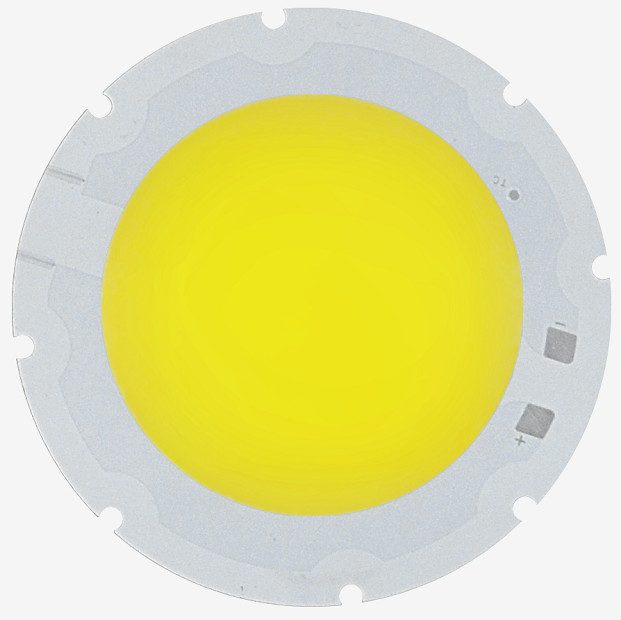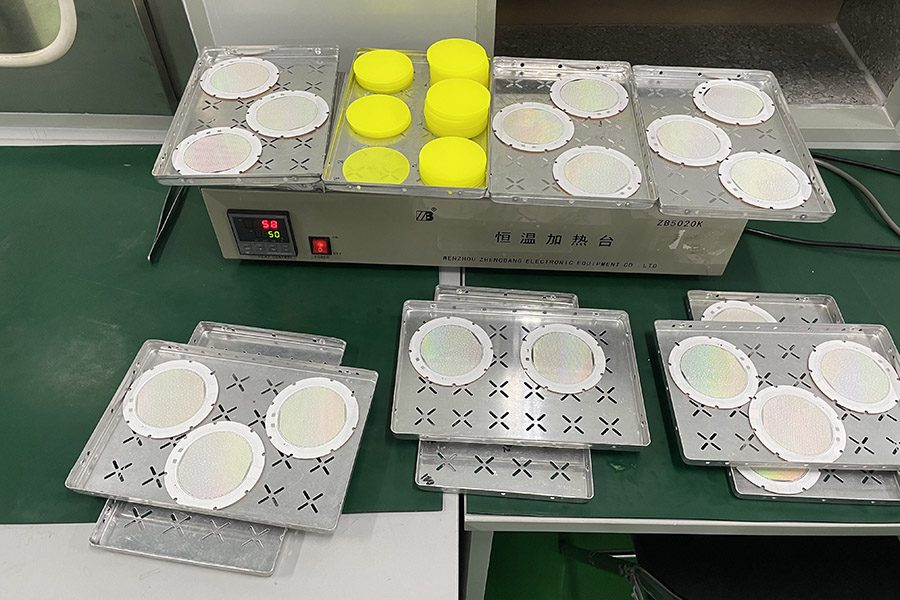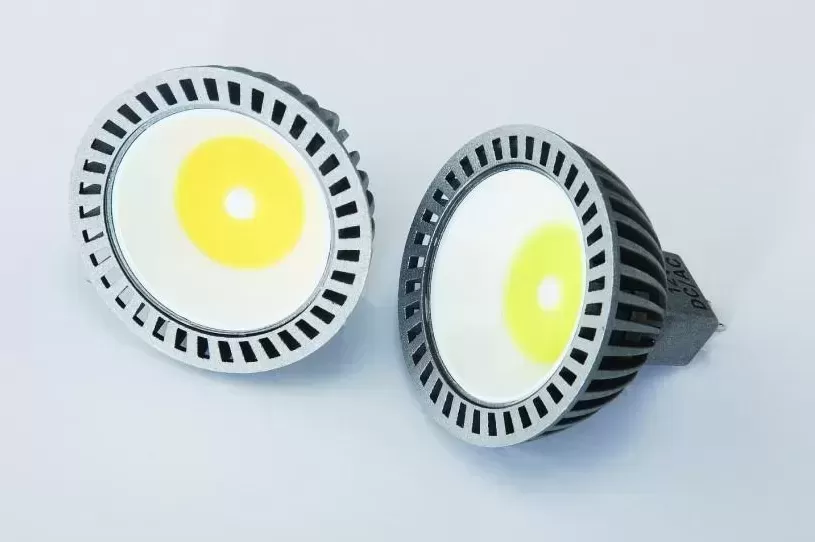
The progression of LED lighting from simple indicator lamps to high-power architectural, commercial, and industrial luminaires has placed stringent demands on material performance. Modern optical design requires a delicate balance between light diffusion and transmission. High-intensity LED chips produce concentrated hot spots that cause discomfort glare, necessitating diffusers that can scatter light uniformly without absorbing significant energy. Historically, general-purpose polymers have fallen short in thermal resistance and optical longevity under continuous exposure. To address these performance gaps, specialized polycarbonate compounds have become standard in the manufacturing sector.
Among these specialized materials, Woosuk PC, distributed by CAS, has established itself as a reliable engineering solution for demanding optical and structural applications. This material addresses the physical stresses of heat, UV radiation, and mechanical impact that standard plastics fail to withstand. By analyzing the structural mechanics, thermal properties, and processing behavior of this polycarbonate compound, manufacturers can make informed material selection decisions that directly impact product lifespan and efficiency.
Understanding the Performance Specifications of Woosuk PC
Polycarbonate is naturally selected for optical applications due to its high amorphous clarity, impact resistance, and thermal tolerance. However, raw polycarbonate lacks the specific properties required to diffuse LED light sources efficiently. Woosuk PC is formulated with precise additive packages that modify its refractive behavior, flame resistance, and environmental stability without undermining the base polymer matrix.
Refractive Index and Light Scattering Mechanics
The core mechanism of light diffusion in Woosuk PC relies on Mie scattering. The compound incorporates micro-scale organic or inorganic diffusing agents dispersed uniformly within the polycarbonate matrix. The base polycarbonate has a refractive index of approximately 1.58. The diffusing particles possess a different refractive index, typically ranging from 1.42 to 1.49.
When light passes through the boundary between the polycarbonate matrix and the diffusing particles, it undergoes refraction and scattering. Because the particle size is carefully controlled (generally between 2 to 10 micrometers), the light scatters in a forward direction rather than backscattering toward the LED source. This precise matching minimizes backscattering losses, allowing the material to achieve high haze values while maintaining maximum light transmission.
Thermal and Flame Retardant Profiles
High-power LED fixtures generate substantial localized heat at the printed circuit board level, which conducts directly to the optic diffuser. Standard materials subject to continuous temperatures above 80°C often experience accelerated yellowing and physical sagging. Woosuk PC exhibits a high glass transition temperature, typically around 145°C to 150°C, which allows it to maintain mechanical integrity under elevated operating conditions.
Regarding safety compliance, especially in commercial construction and public transit lighting, flame retardancy is a non-negotiable requirement. Selected grades of Woosuk PC are designed to meet UL94 V-0 ratings at thin cross-sections (such as 1.0mm or 1.5mm). Achieving this rating without degrading the optical transparency requires advanced non-halogenated flame retardant additives that do not form opaque agglomerates during melt processing.
Resolving Engineering Trade-Offs in LED Diffuser Design
Designers of commercial lighting fixtures constantly face physical trade-offs when selecting materials. Balancing light transmittance, diffusion efficiency, and structural durability often requires compromising on one or more aspects. The application of Woosuk PC, supported by the supply and engineering expertise of CAS, offers a balanced solution to these common design conflicts.
Balancing Transmittance and Haze
A major challenge in LED optics is resolving the conflict between high light transmittance (lumen efficiency) and high haze (diffusion power). High haze is required to eliminate the visible hot spots of individual LED chips, while high transmittance is necessary to meet energy efficiency standards. Standard diffusers often reduce transmittance to 60% or 70% to achieve acceptable diffusion.
Woosuk PC solves this through tailored grade selection. For example, light diffusion grades can maintain a total luminous transmittance of up to 88% while providing a haze level exceeding 98%. This ensures that the light source is completely disguised as a uniform glowing surface, without sacrificing the lumen output of the fixture.
Preventing Thermal Yellowing and UV Degradation
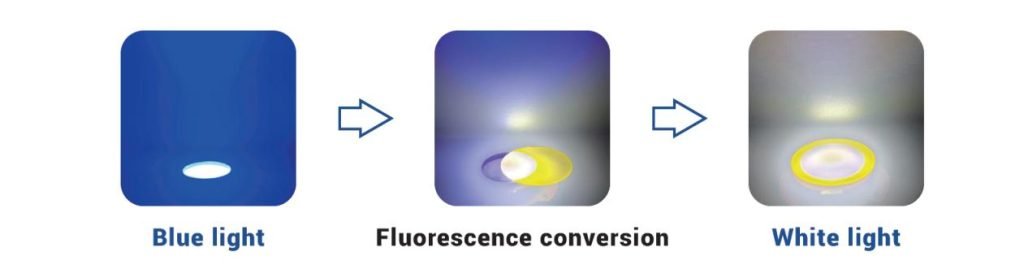
LEDs, particularly white LEDs utilizing blue chips with phosphor coatings, emit a small portion of near-UV and high-energy blue light. Over thousands of hours, this radiation, combined with operational heat, initiates photo-oxidative degradation in standard polycarbonate. This degradation manifests as yellowing, which shifts the color temperature of the luminaire and reduces overall light output.
To prevent this, Woosuk PC incorporates specialized UV stabilizers and antioxidants. These additives function by absorbing harmful UV radiation and dissipating it as harmless thermal energy, alongside scavenging free radicals that form during thermal oxidation. This preservation of the polymer backbone ensures that the optical clarity and color rendering index of the light fixture remain stable over its intended decade-long operational life.
Ensuring Mechanical Toughness in Industrial Environments
Industrial high-bay fixtures, outdoor streetlights, and vandal-resistant public luminaires require materials that can withstand severe mechanical impacts. Glass diffusers are fragile and pose safety risks, while acrylic (PMMA), though optically clear, is brittle and prone to cracking under low-energy impacts.
With an Izod notched impact strength significantly higher than PMMA, Woosuk PC provides the necessary impact resistance to meet IK08 to IK10 standards for impact protection. This mechanical toughness prevents cracking during transport, installation, and exposure to environmental hazards such as hail or physical vandalism.
Key Application Scenarios in Modern Lighting Industries
The versatile characteristics of Woosuk PC make it highly suitable for various manufacturing and design applications across several sectors.
Commercial Linear Lighting: Extruded profiles for office and retail environments require precise dimensional stability and uniform diffusion over long spans. Woosuk PC extrusion grades maintain consistent wall thickness and resist warping during the high-speed extrusion process.
Industrial High-Bay Refractors: Industrial environments expose fixtures to dust, vibrations, and high ambient temperatures. The thermal resilience of this material prevents deformation, while its optical properties ensure high lux levels reach the work plane.
Street and Architectural Outdoor Lumination: Exposure to outdoor weather elements requires robust UV protection and resistance to moisture absorption. The weathering grades of this material prevent yellowing and micro-cracking caused by cyclic thermal expansion and UV exposure.
Automotive Interior Lighting: The automotive sector demands high flame retardancy, low emissions (low VOCs), and precise light guiding for ambient lighting and dashboard displays. Custom formulations of this polymer meet these strict automotive interior standards.
Processing Guidelines for Injection Molding and Extrusion
To achieve the stated physical and optical properties of Woosuk PC, adherence to correct processing parameters is necessary. Polycarbonate is a hygroscopic material, meaning it absorbs moisture from the surrounding atmosphere. Processing wet resin leads to hydrolytic degradation, which severely reduces impact strength and causes cosmetic defects such as splay marks, silver streaking, and bubbles.
Drying Requirements
Prior to processing, the resin must be dried in a desiccant dryer. The recommended drying temperature is 120°C for a duration of 3 to 4 hours, ensuring the moisture content is reduced to below 0.02%. Hopper dryers are acceptable if they maintain a continuous flow of dry air with a dew point below -30°C.
Temperature Profiles
For injection molding, the melt temperature should be maintained between 280°C and 310°C, depending on the flow path and wall thickness of the part. The mold temperature is a key factor in controlling molded-in stress and surface finish. Mold temperatures should be regulated between 70°C and 100°C. Lower mold temperatures can freeze the polymer too quickly, creating internal stresses that make the finished part susceptible to environmental stress cracking when exposed to cleaning chemicals or solvents.
Screw Design and Injection Speed
A standard three-zone screw with a compression ratio between 2.0:1 and 2.5:1 is recommended. High compression ratios or sudden transitions can shear the polymer excessively, leading to thermal degradation of the optical additives. Injection speeds should be moderate to slow to prevent shear burning near the gate areas, which would compromise the optical clarity of the finished diffuser.
Supply Chain Stability and Quality Assurance with CAS
In B2B manufacturing, sourcing raw materials is not merely about identifying a specification sheet; it requires securing a reliable supply chain that ensures batch-to-batch consistency. CAS serves as a key partner for manufacturers utilizing Woosuk PC, bridging the gap between polymer synthesis and practical manufacturing application.
Variation in raw material batches can lead to differences in light transmittance and dispersion profiles, which in turn leads to rejection of finished lighting products during quality control. CAS manages these variables by implementing strict quality assurance protocols at the distribution level, ensuring that every shipment of Woosuk PC meets consistent viscosity, molecular weight distribution, and optical dispersion metrics. This level of supply chain management reduces production downtime and scrap rates for manufacturers globally.
Frequently Asked Questions
Q1: What distinguishes Woosuk PC from standard optical grade acrylic (PMMA)?
A1: While acrylic offers slightly higher initial light transmittance (around 92% compared to polycarbonate's 89-90%), it lacks impact resistance and flame retardancy. Woosuk PC provides high impact strength and superior flame resistance (UL94 V-0 ratings), making it suitable for demanding public, industrial, and commercial safety applications where acrylic would fail.
Q2: Can Woosuk PC withstand outdoor UV exposure without yellowing?
A2: Yes, outdoor and weathering grades of Woosuk PC are formulated with specialized UV stabilizers. These additives absorb ultraviolet radiation and prevent photo-oxidative degradation, allowing the material to maintain its structural properties and optical clarity under direct sunlight over extended periods.
Q3: How does moisture affect the processing of this material?
A3: Polycarbonate is highly sensitive to moisture at processing temperatures. If not dried to a moisture content of less than 0.02%, the water molecules cause hydrolysis during melting, which breaks the polymer chains. This results in brittle parts, reduced impact resistance, and visual defects like splay and bubbles.
Q4: Is Woosuk PC compliant with global environmental standards?
A4: Yes, the formulations supplied by CAS comply with major environmental and safety regulations, including RoHS and REACH. Flame-retardant grades utilize non-halogenated systems to meet safety requirements without releasing toxic halogenated gases in the event of a fire.
Q5: What are the recommended mold temperatures for injection molding this compound?
A5: The recommended mold temperature ranges from 70°C to 100°C. Maintaining the mold within this thermal window ensures gradual cooling of the polymer melt, which minimizes molded-in residual stresses and enhances the surface finish and optical performance of the part.
Inquire About Your Material Requirements
Selecting the correct material grade is vital to achieving the desired balance of light transmission, flame retardancy, and durability in your specific lighting applications. CAS provides technical support, material datasheets, and sampling to assist your engineering team during the development phase. Contact our technical sales department today to request a quote, schedule a consultation, or obtain material samples of Woosuk PC for your upcoming production run.