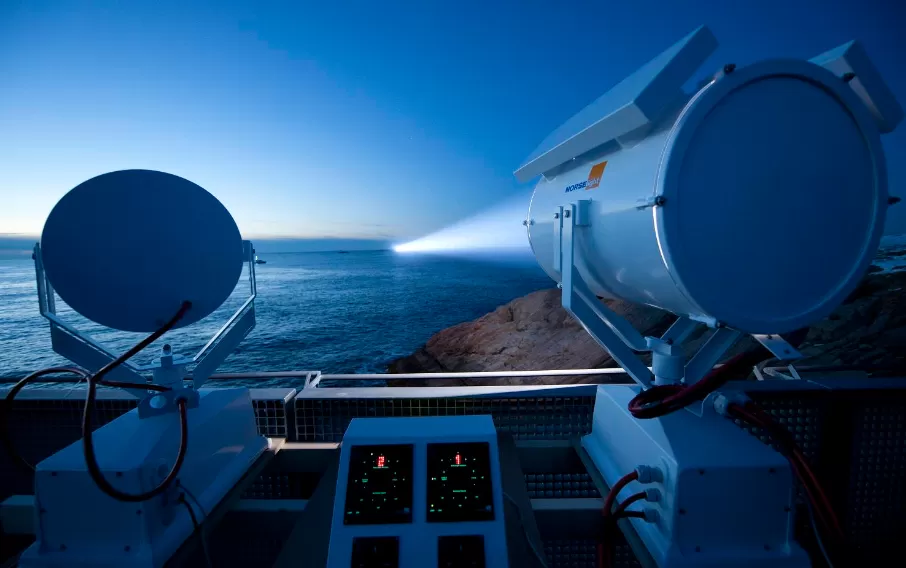
Night maritime operations present some of the most unforgiving working environments in commercial and defense navigation. Between pitch-black ocean swells, dense sea spray, and sudden atmospheric shifts, the deployment of a purpose-engineered Navy Searching Lamp determines the boundary between operational clarity and compromised spatial awareness. Specialized marine lighting has departed from the fragile filaments of past generations, transitioning into high-flux solid-state configurations and advanced metal-halide architectures designed to project focused beams across vast nautical distances.
Optical superiority on the open water requires a synthesis of high candela generation, precise collimation, electrical stability, and impenetrable mechanical enclosures. Systems developed by engineering groups like CAS reflect this operational doctrine, prioritizing sustained photometric intensity alongside ruggedization protocols that withstand relentless saline attack. Navigating the modern technical landscape requires analyzing the mechanical, optical, and thermal dynamics that separate basic marine floodlights from high-grade nautical search projectors.
Optical Physics and Beam Collimation in Naval Applications
The core objective of an offshore search projector is not wide-area ambient diffusion, but rather long-distance target acquisition through targeted photon concentration. Achieving this demands exceptional peak beam intensity, quantified in candela, rather than raw luminous flux measured in lumens. While lumens dictate the total light generated by an emitter, candela measures the intensity within a specific angular vector. Projecting light across three to ten nautical miles necessitates a remarkably narrow beam angle, typically constrained between 1.0 and 3.5 degrees.
Light dispersion follows the inverse-square law, where illumination drops exponentially with distance. Compounding this physical reality is atmospheric attenuation caused by marine moisture, micro-droplets, and salt particles. Known mathematically through the Beer-Lambert law, light transmission diminishes as scattering coefficients rise in humid environments. To counter optical scatter, optical engineers utilize ultra-deep parabolic reflectors crafted from high-purity electroformed nickel or precision-turned optical aluminum, coated with high-reflectivity dielectric or enhanced rhodium layers.
Modern solid-state systems integrate Total Internal Reflection (TIR) optical matrices. TIR collimators sit directly over discrete, high-luminance LED dies, capturing wide-angle stray photons that traditional reflectors lose through optical spill. By organizing the light path through internal refraction and reflection before output, these lenses produce a uniform, parallel beam profile. Minimizing secondary optical halos prevents backscatter, an event where stray light reflects off sea mist directly back into the vessel operator's eyes, impairing bridge watchstanders during dark navigation watches.
Structural Durability and Environmental Hardening Standards
The marine environment subjects shipboard hardware to extreme mechanical stresses. Equipment mounted on the mast, flying bridge, or bow pulpit must withstand dynamic wave impacts, cyclic ship vibration driven by marine propulsion plants, and extreme ambient thermal variations. A searchlight must be engineered to resist both immediate structural displacement and chronic material fatigue.
Corrosion Resistance via Metallurgical Selection: Marine-grade cast aluminum alloys, specifically copper-free variants such as A356 or extruded 6061-T6, provide high strength-to-weight performance while resisting intergranular corrosion. For exterior surfaces, multi-stage pretreatment processes involving chromate conversion, followed by electrostatic marine-grade polyester or fluoropolymer powder coatings, yield resistance exceeding 1,000 hours of neutral salt spray testing under ASTM B117 standards. Alternatively, 316L austenitic stainless steel provides an unyielding barrier against chloride pitting in severe applications.
Hermetic Sealing and Environmental Ingress Protection: Exposure to continuous wave wash and high-pressure hose downs requires minimum ratings of IP67, with critical junction points achieving IP68 or IP69K. Sealing interfaces utilize fluorocarbon (FKM) or continuous silicone O-rings that maintain elasticity under cyclic UV radiation and freezing temperatures. Integrated pressure-compensating breathers containing hydrophobic, oleophobic ePTFE membranes allow the enclosure to normalize internal pressure differentials during sudden thermal cooling cycles, preventing moisture draw past dynamic shaft seals.
Vibration and Mechanical Shock Resistance: Shipboard equipment must conform to stringent mechanical shock criteria, often benchmarked against MIL-STD-810H and MIL-S-901D. Internal electronic sub-assemblies, driver trays, and mirror mountings are secured via multi-axis elastomeric isolators that attenuate structural shocks induced by sea-keeping maneuvers or heavy weapon discharges.
Electromagnetic Compatibility (EMC): Switched-mode power conversion units must be shielded to prevent high-frequency operational noise from polluting onboard radar, high-frequency comms, or satellite navigation arrays. Systems must maintain compliance with standards such as MIL-STD-461G and IEC 60945, ensuring zero stray radio-frequency emissions breach nearby receivers.
Solid-State LED vs. Xenon Short-Arc: The Architectural Paradigm Shift
For decades, the high-pressure xenon short-arc light source reigned as the undisputed standard for high-candela maritime projection. Xenon arc lamps produce a continuous, high-color-rendering spectrum closely matching natural sunlight, derived from an electrical discharge traversing high-pressure xenon gas between tungsten electrodes. Despite their luminance, xenon systems feature severe operational limitations: fragile quartz envelopes under immense pressure, extended ignition sequences requiring high-voltage striking circuitry, short operational lifespans between 1,000 and 2,500 hours, and sensitivity to physical vibration.
Modernizing to an LED-based Navy Searching Lamp resolves these systemic maintenance vulnerabilities. High-density multichip LED arrays present substantial advantages in structural survivability and electrical efficiency. Solid-state emitters operate on low direct-current voltages, eliminating high-voltage arc-ignition relays that represent common failure points in humid conditions. LEDs achieve full operational luminosity instantly, allowing tactical functions such as variable strobe deterrence, burst signaling, and instantaneous refocusing without wait states.
Spectral tuning represents another distinct engineering advantage of solid-state platforms. Xenon sources emit substantial energy in the infrared and ultraviolet bands, consuming power that generates no usable illumination for the human eye or standard electro-optical sensors. High-efficiency LEDs concentrate power within specific visible wavelengths (typically 5700K to 6500K for marine applications) or specific monochromatic spectrums, optimizing power consumption while maximizing photon return off non-reflective oceanic hulls, debris, and life-saving equipment.
Electronic Control Systems, Thermal Management, and Platform Integration
Transitioning to ultra-high-output LED sources shifts the engineering challenge from physical bulb integrity to advanced thermal dissipation. LED dies generate intense heat directly behind the microscopic P-N junction. When junction temperatures ($T_j$) exceed thermal limits, solid-state emitters suffer rapid lumen depreciation, localized phosphor degradation, and catastrophic electrical shorts. Because marine fixtures must be hermetically sealed against moisture, internal heat cannot escape through open convective venting.
Effective thermal architectures rely on deep conduction pathways. LEDs are reflow-soldered to direct-bonded copper (DBC) or metal-core printed circuit boards (MCPCB) possessing high dielectric thermal conductivities. These boards interface directly with sintered heat pipes, copper vapor chambers, or solid copper core blocks that rapidly move thermal energy away from the source toward external cast fins. These structural cooling fins are designed with broad spacing to shed thermal energy via natural convection without creating pockets where dried sea-salt crust can accumulate and impede airflow.
Naval operations require precise motion control. Modern searchlight housings mount atop pan-and-tilt dynamic gimbals driven by brushless servomotors or closed-loop stepper systems coupled with harmonic drive gearing. These assemblies offer dynamic panning ranges of 360 continuous degrees and vertical tilts exceeding -40 to +90 degrees. Integrated digital position encoders feed angular positioning back to central vessel networks, enabling stabilization across roll, pitch, and yaw through connection with the ship’s primary inertial measurement unit (IMU).
Bridge integration demands adherence to open marine control protocols such as NMEA 0183, NMEA 2000, or modern Ethernet-based IP controls. Optical units increasingly slave their pointing vectors directly to marine radar tracks (ARPA) or forward-looking infrared (FLIR) thermal cameras. When a radar track flags an unidentified target, the searchlight can automatically align its optical axis to the coordinates, immediately illuminating the target without manual operator intervention via bridge joysticks.
Operational Mission Profiles and Deployment Environments
The tactical efficacy of a Navy Searching Lamp relies on its operational versatility across broad operational mandates. Vessels perform multifaceted missions where lighting systems must adapt between discrete spatial envelopes.
Search and Rescue (SAR): Finding small vessels, personal flotation devices, or personnel stranded in rough waters requires continuous high-candela sweep patterns. High-color-temperature beams cut through swell troughs, highlighting the contrast of retroreflective marine tapes and safety clothing against dark water surfaces.
Non-Lethal Interdiction and Escalation of Force: Integrated high-speed pulse-width modulation (PWM) drivers allow search projectors to operate in high-frequency dazzle or disorienting strobe modes. Projecting a multi-million-candela pulsing strobe toward incoming unauthorized craft induces safe, non-lethal sensory disruption, degrading an intruder's visual navigation capabilities without kinetic engagement.
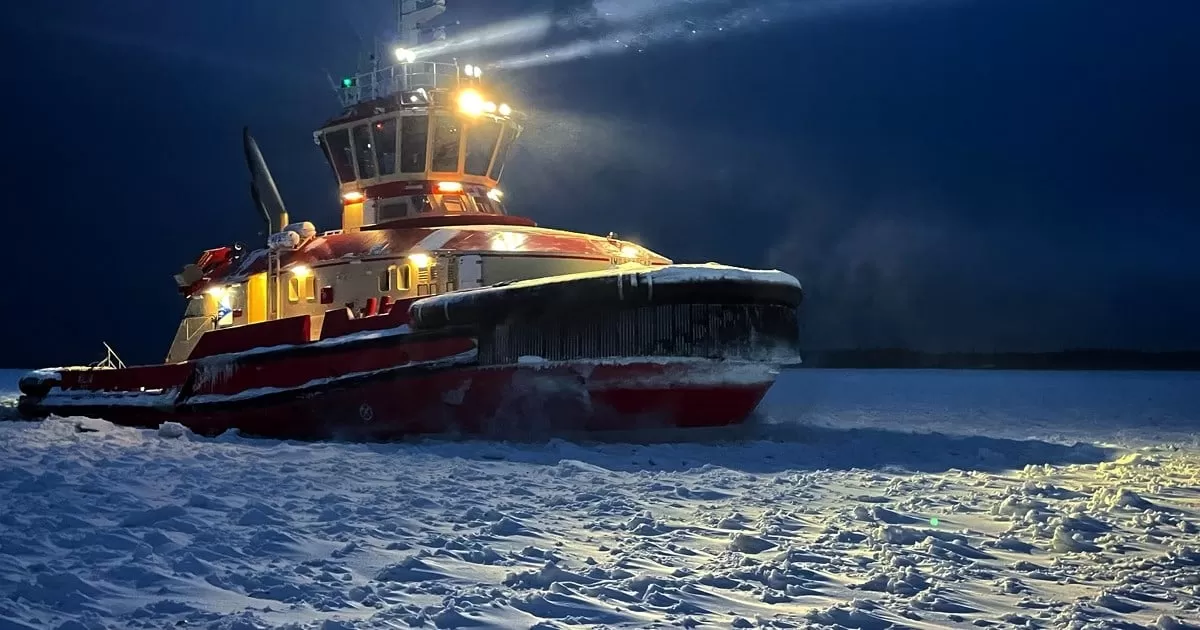
Narrow Channel Navigation and Ice Detection: Moving through narrow channels, riverine environments, or locking systems requires precise distance estimation. When traversing polar or sub-polar waters, beam concentration must illuminate growlers and bergy bits—partially submerged chunks of glacial ice that evade surface marine radar sweeps—giving the helm sufficient reaction time to steer clear.
Underway Replenishment (UNREP) and Night Boarding: Controlled beam shaping transitions the optical field from a long-distance needle beam into an evenly blended flood pattern. This illuminate working decks, sea-lines, and small boarding boats without creating severe contrasting shadows that impede shipboard personnel executing high-stakes line transfers.
Technical Specification Benchmarks for Maritime Procurement
Naval procurement officers, marine architects, and fleet engineers must systematically weigh functional specifications against the designated shipboard installation zone. Optical modules produced by CAS adhere to these exacting build criteria to ensure absolute fleet readiness.
The following technical matrix outlines key structural and performance parameters recommended for procuring a heavy-duty Navy Searching Lamp across diverse vessel classes:
| Engineering Parameter | Commercial Marine Baseline | Naval Combatant / Patrol Specification |
|---|---|---|
| Peak Beam Intensity | 1,000,000 – 5,000,000 Candela | 12,000,000 – 45,000,000+ Candela |
| Effective Projection Range | 1,000 – 2,200 Meters | 3,500 – 7,500+ Meters |
| Beam Divergence | 3.0° – 6.0° Adjustable | 0.8° – 2.5° Precision Collimated |
| Housing Metallurgy | Standard Marine Aluminum (A380) | Low-Copper Cast A356 / 6061-T6 / 316L SS |
| Protective Coating | Single-layer Polyurethane | Mil-Spec Conversion + Fluoropolymer Powder |
| Ingress Protection Rating | IP56 to IP66 | Hermetic IP67 / IP68 / IP69K with ePTFE Breathers |
| Vibration & Shock Baseline | IEC 60945 Industrial Class | MIL-STD-810H / MIL-S-901D Grade A Shock |
| Drive Control & Slaving | Local Switch / Analog 0-10V | CANbus / NMEA 0183 / NMEA 2000 / Radar Slaved |
| Front Lens Architecture | Standard Tempered Float Glass | Borosilicate Optically Coated with Anti-Icing Grid |
Equipment lifespan remains anchored to driver topologies. Isolated power supplies utilizing military-grade decoupling capacitors, transient voltage suppression (TVS) diodes, and wide operational tolerances (handling inputs from 18–36V DC or 100–277V AC at 50/60/400Hz) protect sensitive components from the severe voltage spikes and brownouts common to shipboard power grids during heavy equipment switching.
Frequently Asked Questions
How does beam divergence affect target acquisition in high-seas operations?
Beam divergence dictates how rapidly light spreads from the focal plane. A wide beam covers more area but loses photon density over distance, causing the light to reflect off atmospheric moisture and reduce target contrast. A narrow divergence beam (under 2 degrees) keeps the light path concentrated within a tight corridor, maintaining high lux levels on distant objects and reducing wide-angle backscatter that blinds bridge watchstanders.
What methods effectively mitigate electromagnetic interference (EMI) on combat vessels?
Mitigating EMI involves multiple design layers: housing power conversion circuits within custom Faraday enclosures, utilizing continuous conductive gaskets, filtering input and output power lines with multi-stage ferrite common-mode chokes, and maintaining physical separation between switching drivers and radio frequency lines. Components must pass strict MIL-STD-461 testing to ensure they do not create noise that degrades radar, communication, or navigational equipment.
How do modern LED marine searchlights perform in heavy fog compared to legacy xenon models?
Dense maritime fog consists of suspended water droplets that cause Mie scattering, which disperses short visible wavelengths. While high-color-temperature LED and xenon lamps both experience light scatter, LED systems can use narrow bandpass filters, specialized amber LED arrays, or lower correlated color temperatures (3000K-4000K) to bypass the most reflective wavelengths. Paired with precise, non-spill TIR optics, LEDs cut down immediate foreground glare far better than unstructured xenon arc housings.
What prevents internal lens condensation during sudden sea temperature drops?
Internal condensation occurs when warm air inside the fixture hits a front optic chilled by cold seas or polar weather. Top-tier marine fixtures integrate ePTFE pressure equalization vents that allow air exchange while blocking liquid water and salt crystals. High-specification naval units also feature transparent conductive oxide (TCO) heater layers or integrated resistive wire heating matrices embedded directly within the borosilicate front lens to actively clear moisture, ice, and frost.
What are the critical mechanical failure modes in continuous-duty maritime searchlights?
Primary failure modes stem from mechanical fatigue of dynamic seals, ingress of salt-laden moisture, and bearing wear in pan-and-tilt mechanisms caused by persistent hull vibration. In non-solid-state systems, filament rupture or arc instability due to shock are major concerns. In LED fixtures, poor thermal path design leading to elevated junction temperatures remains the main cause of long-term lumen loss and catastrophic driver failure.
Procurement and Engineering Specifications Consultation
Executing an effective fleet upgrade requires balancing mechanical durability against modern combat-system network integration. Whether selecting deck machinery for offshore patrol cutters, retrofitting commercial utility fleets, or integrating a rugged Navy Searching Lamp into your vessel combat management system, precision physical engineering is essential. Contact our technical advisory team to request comprehensive photometric data, mechanical drawings, integration schematics, and commercial quotes directly from our marine optics specialists.