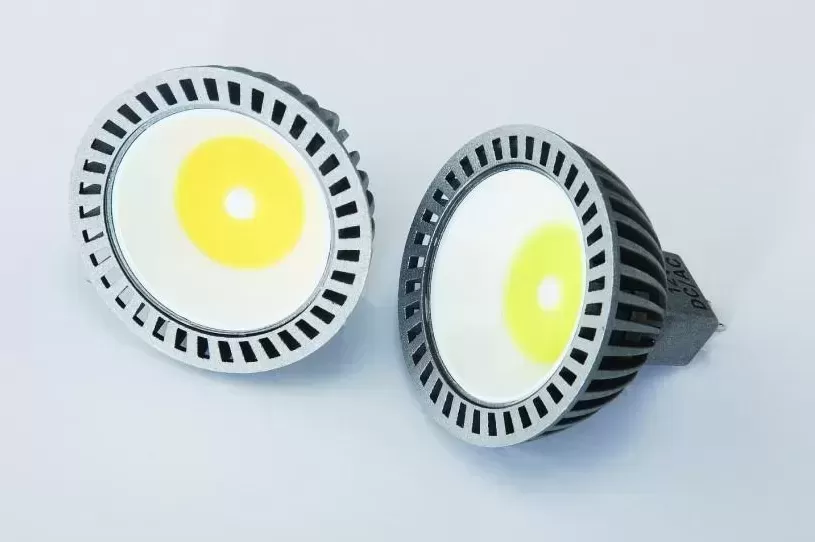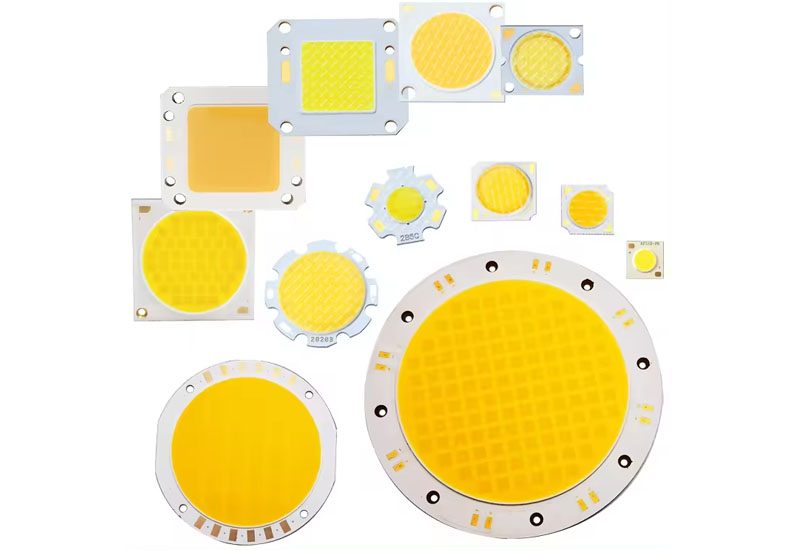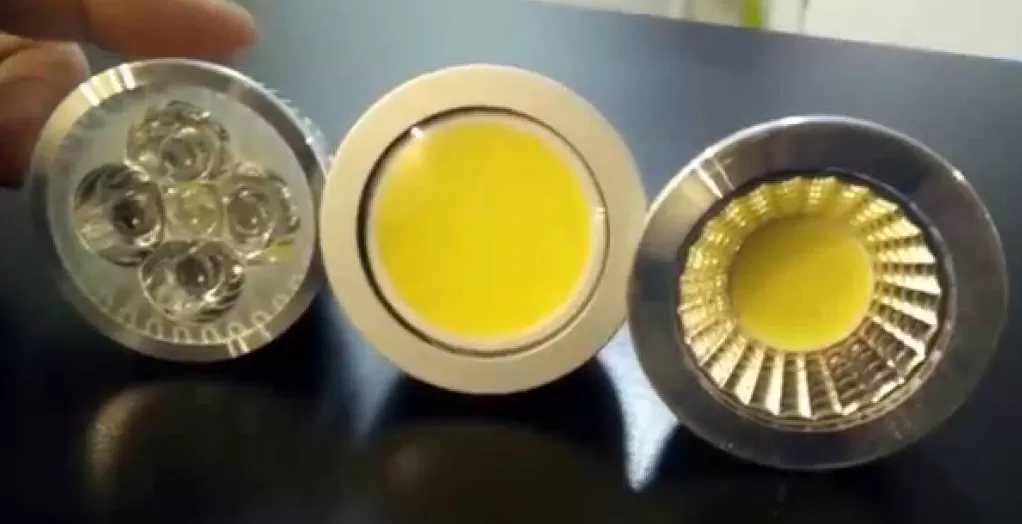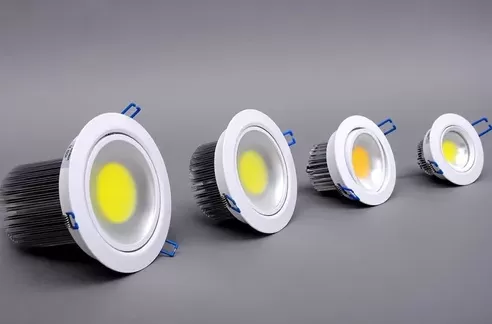
The evolution of high-output LED fixtures has redefined illumination standards for industrial warehouses, retail big-box stores, and large-scale public atriums. Among the most transformative products in this category is the Led Downlight 200w, a luminaire that balances luminous efficacy, thermal stability, and optical precision. This article dissects the engineering principles, application strategies, and lifecycle economics of this lighting class, offering procurement specialists and facility managers a technical reference grounded in real-world performance data.
Defining the Led Downlight 200w Performance Envelope
Rated at 200 watts of system power consumption, this downlight category typically delivers between 26,000 and 32,000 lumens, depending on the driver efficiency and LED package selection. The luminous efficacy range of 130–160 lm/W places these fixtures at the forefront of energy-efficient industrial lighting. For context, a conventional 400W metal halide high-bay produces approximately 36,000 initial lumens, but suffers from rapid lumen depreciation and restrike delays. The Led Downlight 200w achieves comparable or superior light output while reducing connected load by 50%.
Color rendering index (CRI) options span 70 to 90+, with the higher CRI variants specified for retail apparel or inspection areas where color discrimination is critical. Correlated color temperature (CCT) choices—typically 3000K, 4000K, and 5000K—allow designers to tailor the visual environment. The 5000K option enhances alertness in manufacturing zones, while 4000K provides a neutral baseline for general commercial use. Dimming capabilities, integrated via 0-10V or DALI protocols, further expand the fixture's adaptability to daylight harvesting and occupancy-based control strategies.
Thermal Management: The Engineering Backbone of Longevity
LED junction temperature directly dictates both luminous flux maintenance and service life. For a Led Downlight 200w, the thermal path from chip to ambient air must be meticulously designed. High-grade aluminum heat sinks with optimized fin geometry—often featuring a radial or pin-fin configuration—increase convective surface area without adding excessive weight. CAS employs a proprietary die-cast thermal module that achieves a thermal resistance of less than 0.4°C/W, ensuring junction temperatures remain below 85°C even in ambient conditions of 45°C.
Active cooling via fans introduces failure points, so reputable manufacturers rely exclusively on passive convection. The thermal interface material (TIM) between the MCPCB and heat sink plays a critical role; phase-change materials or high-thermal-conductivity grease outperform generic thermal pads. Real-world LM-80 testing data, extrapolated to L70 at 50,000 hours, confirms that proper thermal design extends useful life beyond 100,000 hours at 25°C ambient. For facilities with elevated ambient temperatures, such as foundries or unventilated storage spaces, derating curves must be consulted to adjust expected lifetime.
Optical System Design and Beam Distribution
The optical assembly of a Led Downlight 200w typically comprises a secondary lens array or reflector system. TIR (total internal reflection) lenses offer precise control over beam angles, with standard options including 60°, 90°, and 120° symmetric distributions. Asymmetric or elliptical beam profiles address aisle lighting requirements, directing light where it is most needed while reducing spill onto adjacent walls or shelving.
Optical efficiency—the ratio of lumens exiting the fixture to lumens emitted by the LEDs—should exceed 85% for quality products. This metric is influenced by lens material transparency, surface reflectivity of the reflector, and the geometry of the mixing chamber. CAS integrates borosilicate glass lenses with anti-reflective coatings, achieving 90% optical efficiency while resisting yellowing from UV exposure. The resulting illuminance uniformity, expressed as U0 (minimum-to-average ratio), commonly reaches 0.7 or higher, compliant with EN 12464-1 standards for indoor workplace lighting.
Glare control remains a paramount consideration. Unified Glare Rating (UGR) values below 19 are achievable through baffle designs or micro-prismatic films, making these downlights suitable for office environments and educational facilities where visual comfort is non-negotiable. The combination of wide distribution and low glare expands the application scope beyond purely industrial settings.
Application Scenarios and Mounting Configurations
The versatility of the 200-watt LED downlight manifests across multiple mounting options: surface-mounted, recessed, or suspended via cable/chain kits. Each configuration suits distinct architectural constraints. Recessed installations in grid ceilings require careful attention to thermal dissipation into the plenum space—insulation must be kept clear, and fire-rated housings may be mandated by local building codes. Surface-mounted variants with low-profile housings are preferred in spaces with limited ceiling void depth.
Industrial Warehousing and Logistics
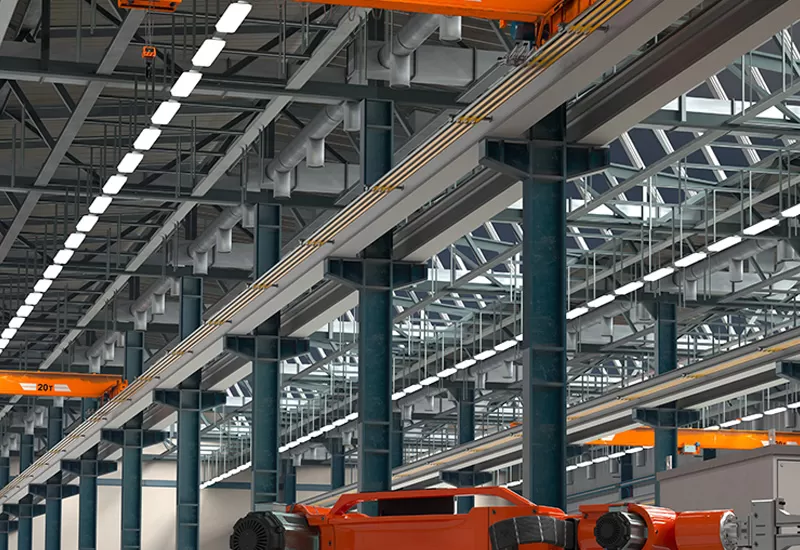
In distribution centers with ceiling heights ranging from 10 to 20 meters, the Led Downlight 200w serves as a high-bay alternative to linear fixtures. Spacing criteria (mounting height ratio) typically recommend a 6:1 to 8:1 ratio for uniform floor illumination. A 15-meter mounting height with a 90° beam angle yields a beam diameter of approximately 18 meters, making it feasible to illuminate large floor areas with fewer fixtures. This reduces both material costs and installation labor.
Retail and Exhibition Spaces
For big-box retailers and auto dealerships, the downlight's high CRI and dimming capability enable accent lighting on merchandise while maintaining ambient illumination. The directional nature of the downlight minimizes light pollution into neighboring properties—a benefit for urban retail locations with light trespass ordinances. Tunable white options, though not standard, are becoming available for retailers seeking dynamic circadian-friendly lighting that shifts CCT throughout the day.
Institutional and Public Atriums
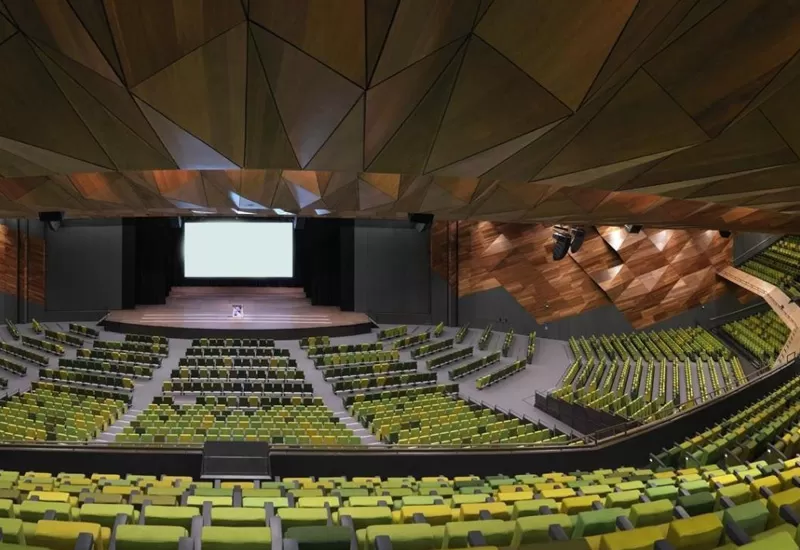
Museums, airport concourses, and convention centers require fixtures with both aesthetic integration and reliable performance. The circular form factor of a downlight blends into architectural ceilings, while the high output ensures adequate illumination for security cameras and wayfinding signage. Emergency battery backup modules can be integrated, providing 90 minutes of egress lighting per NFPA 101 requirements.
Driver Technology and Power Quality
The LED driver serves as the control center, converting line voltage (120–277V AC, or 347–480V for industrial services) into regulated constant current. High-frequency switching topologies, such as resonant LLC converters, achieve efficiencies exceeding 94%, reducing heat generation within the driver enclosure. Power factor correction (PFC) circuits maintain a power factor above 0.95, minimizing harmonic distortion and complying with IEC 61000-3-2 Class C limits. For facilities with sensitive electronic equipment, low total harmonic distortion (THD < 15%) is essential.
Programmable drivers offer field-adjustable output currents, allowing the Led Downlight 200w to be dimmed to 50% or 75% of nominal power, effectively transforming it into a 100W or 150W fixture. This flexibility is invaluable during commissioning or when lighting requirements change due to space reconfiguration. CAS drivers incorporate surge protection up to 6kV/4kV combination wave, ensuring resilience against lightning-induced transients and grid switching spikes.
Economic Analysis and Total Cost of Ownership
While the initial procurement cost of a Led Downlight 200w remains higher than legacy technologies, the total cost of ownership over a 10-year horizon tells a compelling story. Energy savings alone—assuming 12 hours of operation per day at $0.12/kWh—yield approximately $1,050 in avoided electricity costs compared to a 400W metal halide (which consumes 455W including ballast losses). Maintenance savings from eliminated lamp replacements (metal halide lamps require replacement every 15,000–20,000 hours) further tilt the balance.
Utility rebate programs in many regions offer incentives of $50–$150 per fixture, shortening the simple payback period to under 2 years. When factoring in reduced HVAC loads due to lower heat emission (a 200W LED dissipates roughly 200W of heat, versus 455W for a metal halide), the annual cooling savings can add another 5–10% to operational efficiencies. For cold storage facilities, where heat rejection is particularly costly, the thermal advantage is even more pronounced.
Installation Best Practices and Safety Compliance
Proper installation begins with verifying the branch circuit capacity and inrush current characteristics of the driver. Multi-fixture circuits must account for inrush spikes—often 30–50 times the steady-state current for a few hundred microseconds. Circuit breakers with C-curve or D-curve trip characteristics are recommended to avoid nuisance tripping. CAS provides inrush current tables for each driver variant, enabling engineers to size protective devices accurately.
Safety certifications—UL 1598 for wet/damp locations, CSA C22.2, and CE marking—are non-negotiable for commercial installations. Damp-location ratings extend usability to covered parking garages and indoor pools, while wet-location versions with gasketed housings suit outdoor canopies and loading docks. Seismic clips and safety cables are mandatory in earthquake-prone regions, preventing fixture dislodgment during seismic events.
Wireless control integration through Zigbee, Bluetooth Mesh, or LoRa is increasingly specified for smart building ecosystems. The Led Downlight 200w can be outfitted with a snap-in control node, enabling individual addressability, occupancy sensing, and daylight harvesting. This transforms the downlight from a passive luminaire into an active participant in the building's energy management system.
Commonly Encountered Challenges and Solutions
One frequently reported issue is premature dimming or flicker, often traced to incompatible dimmers or inadequate wiring gauge causing voltage drop. Specifying 0-10V dimmers with sink current capacity of at least 20mA per fixture resolves most compatibility issues. For long control runs, shielded cable and separate conduit from power lines prevent EMI-induced flicker.
Another challenge is uneven light distribution at floor level, typically resulting from incorrect spacing or beam angle selection. Photometric simulation software (e.g., Dialux or AGi32) is indispensable during the design phase. CAS offers photometric IES files for all beam options, enabling accurate pre-installation modeling. Field adjustment of fixture tilt or the use of diffuser films can remedy minor uniformity issues post-installation.
Condensation inside the optical chamber occasionally occurs in high-humidity environments. Specifying IP65-rated gaskets and breather membranes equalizes pressure while blocking moisture ingress, preserving optical clarity over the fixture's lifetime. Regular maintenance—cleaning the lens and inspecting seals—ensures sustained performance.
Frequently Asked Questions
What is the typical lumen output of a Led Downlight 200w?
Lumen output varies by LED bin and drive current, but ranges from 26,000 to 32,000 lumens for 200W input power. Premium fixtures from CAS achieve 30,000 lumens at 150 lm/W efficacy. Always reference the manufacturer's photometric report rather than relying on typical values.
Can a Led Downlight 200w be used in damp or wet locations?
Standard models are UL listed for damp locations. For wet locations such as outdoor canopies or car washes, select a fixture with an IP65 or higher rating and a sealed optical compartment. Gasketed housings and corrosion-resistant finishes are essential for harsh environments.
What is the recommended mounting height for optimal performance?
Mounting heights of 10 to 20 meters are optimal. For heights above 15 meters, narrow beam angles (60° or 90°) and higher lumen packages may be needed. Photometric planning should consider the desired average illuminance (typically 200–500 lux for industrial tasks) and uniformity ratio.
How does thermal derating affect light output in high-temperature environments?
At ambient temperatures above 40°C, the driver may reduce output current to protect the LEDs. Derating curves provided by the manufacturer quantify output reduction; expect a 5–10% lumen drop at 50°C ambient. Selecting a fixture with superior thermal design and larger heat sink mass mitigates this effect.
What control protocols are compatible with this downlight?
Most fixtures support 0-10V analog dimming as standard. Digital options include DALI, DMX, and wireless protocols like Zigbee and Bluetooth Mesh. CAS offers plug-and-play control nodes that integrate with major building automation systems, enabling centralized scheduling and energy monitoring.
Is a 200W LED downlight a direct replacement for a 400W metal halide high-bay?
Yes, in most applications. The LED fixture provides equivalent or greater lumens, better color consistency, and instant restrike. However, the beam pattern and distribution differ, so photometric redesign is recommended to ensure uniformity. Retrofit adapters are available for certain fixture housings.
What is the expected lifespan and warranty coverage?
L70 rated lifespan typically exceeds 50,000 hours, with some designs reaching 100,000 hours. CAS offers a 5-year standard warranty covering drivers and LED arrays, with extended warranties available for large-scale projects. Proper thermal management is the primary determinant of actual service life.
For technical datasheets, IES files, or project-specific consultation, contact the CAS engineering support team at daniel.lin@zkxyled.com or call +86-0591-62097869 / +86 15375908767. Customization options—including CCT tuning, emergency backup, and specialized optics—are available for volume orders.