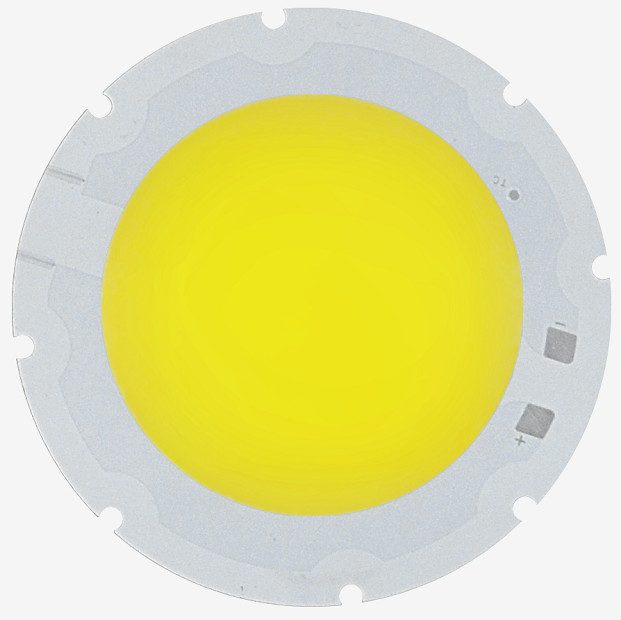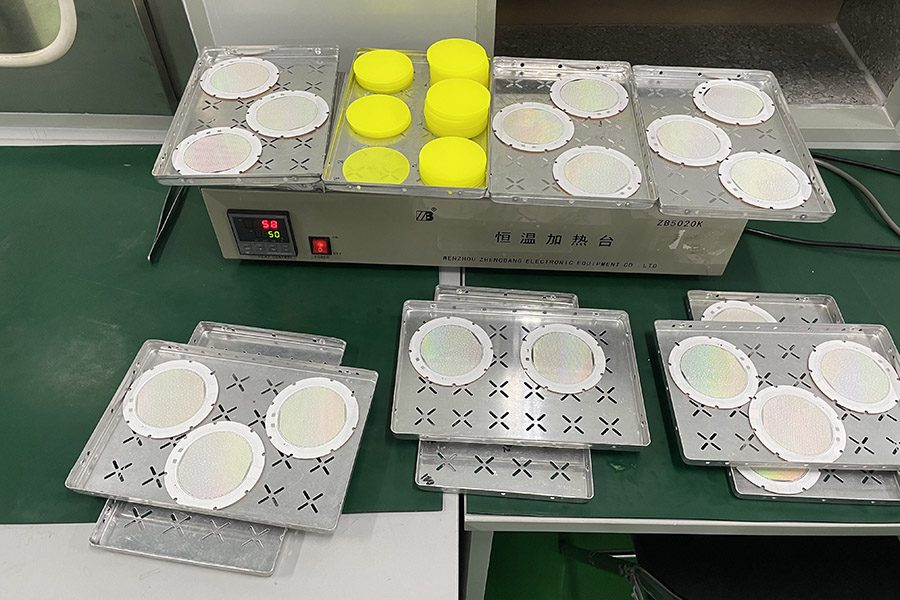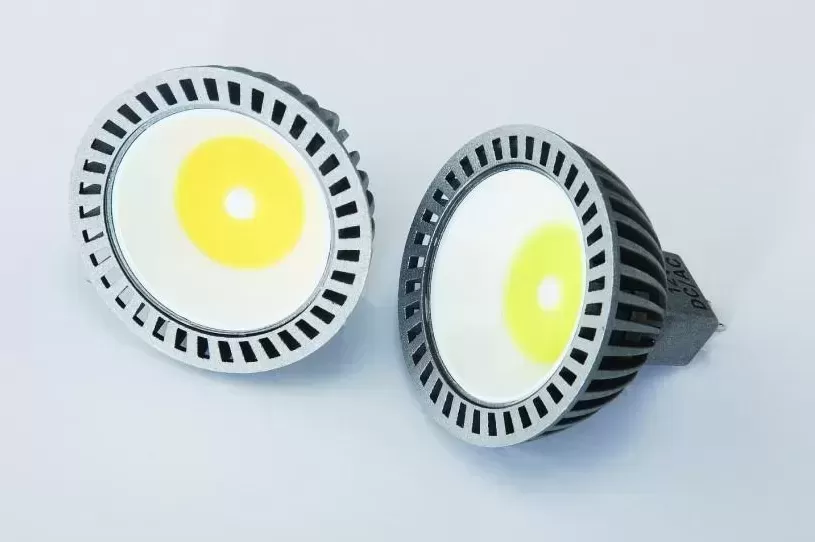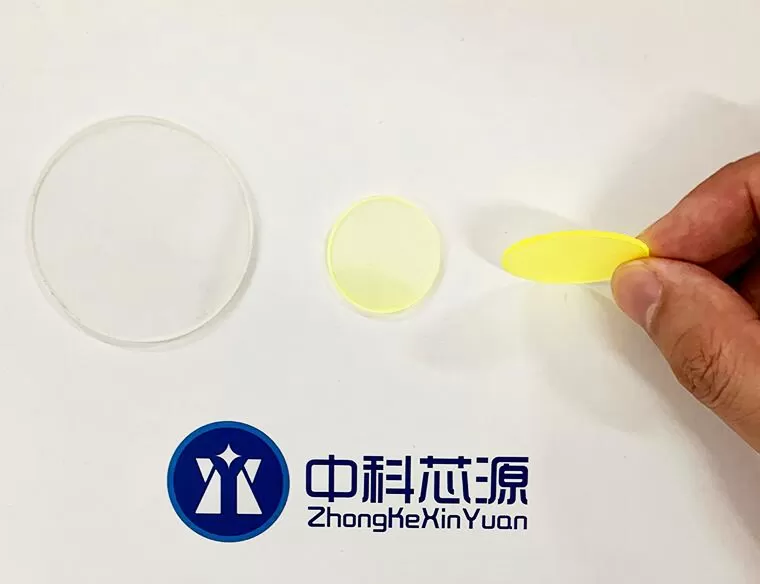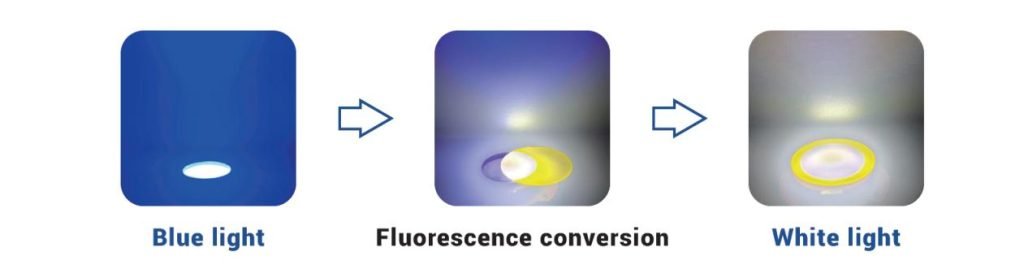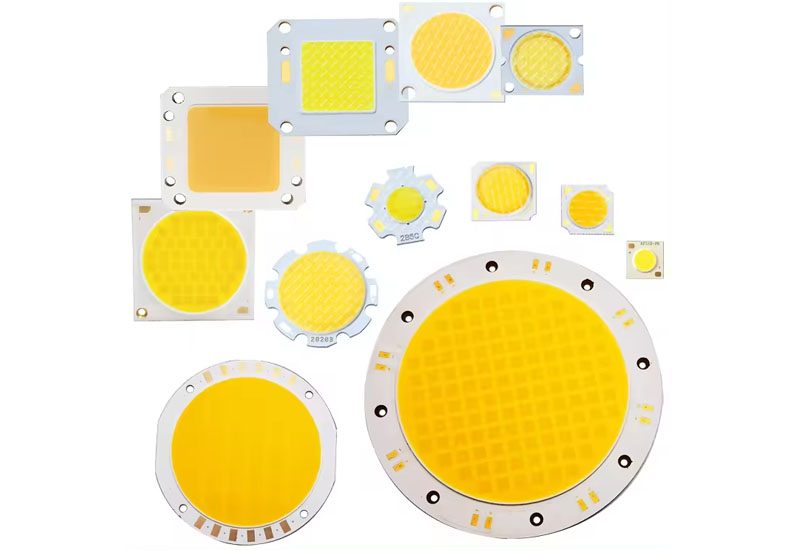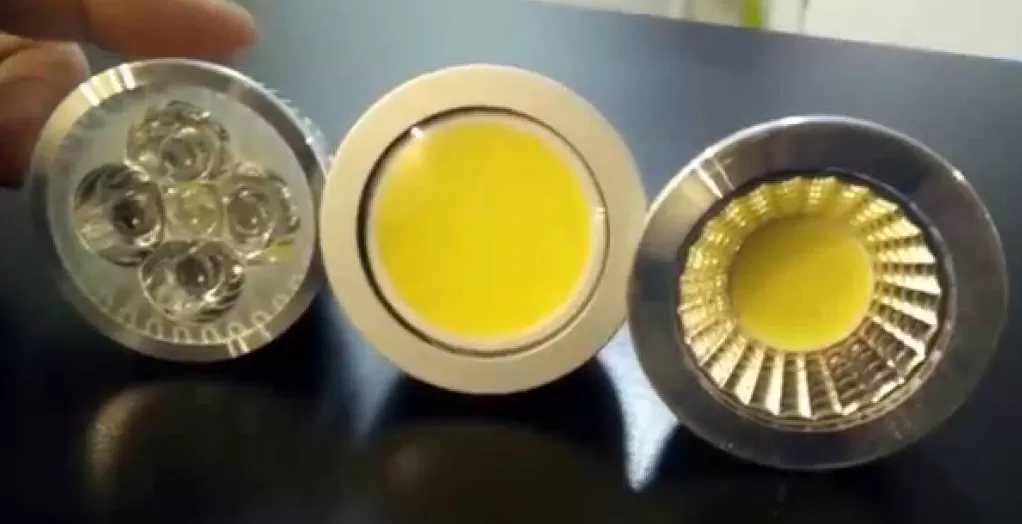
The solid-state lighting industry has entered a phase where luminous flux densities and operational temperatures continuously push conventional packaging materials to their limits. For engineers developing high-power LED modules, laser-based light sources, or automotive forward lighting, the wavelength conversion component is often the weakest link. Traditional silicone-based phosphor layers suffer from thermal degradation, chromaticity shift, and reduced quantum efficiency above 150°C. This performance gap has driven a fundamental transition toward inorganic conversion technologies, with phosphor in glass (PiG) emerging as the most practical and reliable solution for demanding applications. Selecting a competent phosphor in glass supplier therefore becomes a strategic decision that directly influences product lifetime, color stability, and system cost. This article examines the engineering criteria, manufacturing intricacies, and application-specific requirements that define a high-quality PiG partner, with practical references to CAS's manufacturing framework.
Beyond Silicones: Why Phosphor in Glass Technology is the Industry Standard for High Flux Densities
Organic encapsulation matrices, primarily silicone resins, have served the LED industry for decades. However, their molecular structure introduces inherent vulnerabilities. When blue or laser diodes inject high photon flux — typically above 10 W/mm² — the silicone matrix experiences accelerated chain scission and yellowing. The result is a double penalty: reduced transmission of blue pump light and increased absorption of converted yellow light, leading to thermal runaway. Moreover, silicone's glass transition temperature (Tg) rarely exceeds 150°C, while many high-power junctions operate at 180-200°C. Phosphor in glass technology solves these issues by embedding phosphor particles (typically Ce:YAG, nitride red, or β-sialon) within a low-melting-point inorganic glass matrix. The glass encapsulant exhibits no Tg-related softening below 400°C, offers near-zero water vapor transmission, and maintains optical transmission above 90% even after 2000 hours of thermal cycling from -40°C to 200°C. For luminaire manufacturers targeting L90 lifetimes beyond 50,000 hours in outdoor or automotive environments, PiG is not merely an option — it is a specification requirement.
Understanding the Manufacturing Parameters of High-Quality Phosphor in Glass
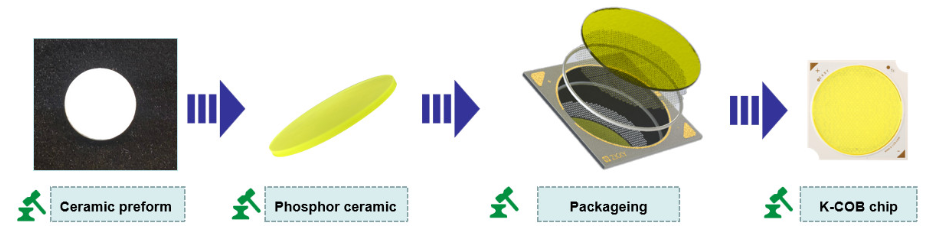
Not all PiG solutions deliver identical performance. The production process involves mixing phosphor powders with glass frits, tape casting or screen printing the slurry onto a substrate (sapphire, ceramic, or metal), followed by a controlled sintering cycle. Three critical parameters separate professional phosphor in glass supplier offerings from low-grade alternatives:
Glass composition engineering: The softening point of the glass must match the thermal stability window of the phosphor. CAS formulates bismuthate or phosphate-based glass systems with Tg between 380°C and 480°C, preventing phosphor degradation during sintering while achieving full densification.
Particle size distribution control: Mie scattering losses increase when phosphor particle sizes deviate from the optimal 5-15 µm range. Advanced suppliers use air-classification and laser diffraction verification to ensure narrow distributions, directly affecting luminous efficacy.
Thickness uniformity and porosity: For remote phosphor configurations, thickness tolerances below ±5 µm are required to maintain consistent correlated color temperature (CCT) across production batches. Porosity below 2% is essential to avoid localized hotspots that cause premature failures.
Professional PiG manufacturing also involves post-sintering annealing to relieve residual stresses, edge grinding for precise die-attach dimensions, and AR coating deposition on the output surface. Each additional step adds cost but dramatically improves reliability under thermal shock and mechanical vibration — crucial for automotive and industrial lighting.
Key Evaluation Metrics When Partnering with a Phosphor in Glass Supplier
When assessing potential suppliers, procurement and engineering teams should request empirical data on five core metrics. CAS, as a specialized phosphor in glass supplier, routinely provides this documentation for customer validation:
Thermal quenching temperature (T50): The temperature at which emission intensity drops to 50% of its room-temperature value. Premium PiG materials exhibit T50 > 300°C, compared to silicone-based layers where T50 often falls below 180°C.
Chromaticity shift (Δu'v'): Measured after 1000 hours of operation at 1.5 A/mm² blue flux density. Reliable suppliers maintain Δu'v' < 0.003, while degraded materials shift by more than 0.010.
Humidity resistance: Exposing PiG samples to 85°C/85% RH for 500 hours should result in less than 3% luminous flux depreciation. CAS compounds achieve <1.5% depreciation under these conditions due to dense glass encapsulation.
Laser power handling capacity: For laser phosphor wheels or high-intensity projection, a PiG layer must withstand continuous optical power densities exceeding 30 W/mm² without cracking. This requires precise matching of thermal expansion coefficients between glass and phosphor.
Lot-to-lot CCT consistency: Reputable suppliers deliver standard deviation of CCT below 50K within the same batch and below 100K across different batches, using statistical process control (SPC) charts.
Engineers should request reliability test reports and cross-section SEM images to verify glass densification and phosphor dispersion. CAS’s quality system includes in-line spectrophotometry for every PiG plate, ensuring traceability from raw material to final component.
Emerging Applications Demanding Advanced Phosphor in Glass Solutions
The shift toward PiG is accelerating across several high-value segments. Each application imposes distinct requirements on the phosphor in glass supplier's design capabilities:
Automotive adaptive driving beams (ADB): Matrix LED modules with hundreds of individually controlled pixels require conversion layers with extremely low thermal expansion and no outgassing. PiG's inorganic nature prevents fogging of optical lenses, a common issue with silicone-based solutions.
Laser phosphor illumination: Laser-activated remote phosphor systems used in cinema projectors and high-bay lighting achieve luminous exitance of 2000 lm/mm². PiG's high thermal conductivity (approx. 1.5 W/m·K, versus 0.2 W/m·K for silicone) enables passive cooling, eliminating the need for active fans.
Agricultural lighting: High-intensity fixtures delivering photosynthetically active radiation (PAR) above 1500 µmol/m²/s demand reliable conversion under continuous 12-hour cycles. PiG's resistance to humidity and chemical sprays makes it suitable for greenhouse environments.
Medical endoscopy light sources: Xenon replacement modules using laser-excited PiG must achieve stable color over 10,000 surgical hours. The absence of organic binders prevents any risk of contamination or material leaching.
For each segment, the PiG supplier must offer customization of phosphor blends to achieve specific spectral power distributions — for instance, adding narrow-band red nitride phosphors to increase color rendering index (CRI) above 90 for surgical lighting.
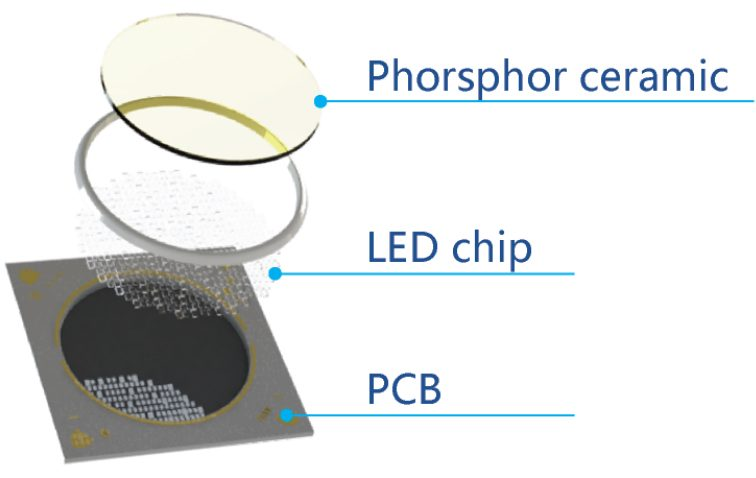
Overcoming Manufacturing Challenges with Advanced PiG Solutions
Despite its advantages, PiG fabrication presents several challenges that only experienced suppliers can resolve. One common issue is the formation of micro-cracks due to coefficient of thermal expansion (CTE) mismatch between glass matrix and phosphor particles. CAS addresses this by engineering glass compositions with intermediate CTE values (6.5-8.0 × 10⁻⁶/K) that bridge the gap between sapphire substrates and Ce:YAG phosphors. Another challenge involves red phosphor stability: many nitride-based red phosphors oxidize at standard PiG sintering temperatures above 500°C. CAS has developed low-temperature glass formulations (sintering at 390°C) that preserve red phosphor quantum yields above 85%, enabling high-CRI and warm-white PiG plates. A third manufacturing hurdle is achieving uniform thickness on curved or complex-shaped substrates. Through precision screen printing with automated optical inspection, professional PiG suppliers can produce domed or stepped conversion layers for collimated beam applications.
For engineers designing high-reliability systems, it is advisable to request pilot production samples and conduct in-house accelerated life tests before committing to volume orders. The difference between a commodity PiG provider and an engineering-focused partner like CAS becomes evident in the failure rate at the 2000-hour mark under high-temperature operating life (HTOL) conditions.
Frequently Asked Questions (FAQ)
A1: High-quality PiG materials maintain stable photometric performance up to 350°C surface temperature, with catastrophic failure occurring only above 500°C. This is substantially higher than silicone-based alternatives, which degrade rapidly beyond 180°C. For automotive or industrial applications, PiG allows direct attachment to metal-core PCBs without thermal interface degradation.
A2: Ceramic phosphors (e.g., YAG:Ce ceramics) offer even higher thermal conductivity (∼10 W/m·K) but require complex high-temperature sintering (above 1500°C) and cannot easily incorporate multiple phosphor types. PiG provides a middle ground: moderate thermal conductivity (∼1.5 W/m·K) with flexibility to mix different phosphors (e.g., green + red) and lower manufacturing cost. For most high-power LED modules under 5 W/mm², PiG offers the best balance of performance and cost.
A3: Yes, professional PiG suppliers adjust the phosphor blend ratios and glass matrix refractive index to achieve specific CCT (typically from 2200K to 8000K) and Duv values. For example, targeting CCT 3000K with Duv -0.002 requires precise mixing of YAG:Ce with a red-emitting phosphor such as (Sr,Ca)AlSiN₃:Eu²⁺. CAS provides custom spectral matching services based on customer target color points.
A4: Absolutely. Inorganic glass is inherently impermeable to moisture and resistant to salt spray. PiG-based modules pass 1000-hour damp heat testing (85°C/85% RH) with less than 2% flux loss, making them ideal for street lighting, tunnel lighting, and marine applications. Silicone-based converters often delaminate or yellow under the same conditions.
A5: For a standard PiG plate (size 2×2 mm to 20×20 mm, thickness 0.1–0.5 mm), engineering samples typically require 3–4 weeks after specification finalization. Volume production lead times range from 6–8 weeks, depending on order quantity and complexity of geometry. CAS maintains buffer stock of common CCT values (2700K, 4000K, 6500K) for rapid prototype delivery within 10 working days.
A6: PiG with optimized glass matrix and particle packing can withstand continuous laser power densities up to 35-40 W/mm² when properly heat-sunk. Failure modes at higher densities involve local melting of glass rather than phosphor quenching. For laser phosphor wheels (rotating discs), the intermittent excitation further increases the power ceiling to above 60 W/mm². Confirming the supplier’s laser testing protocol is recommended.
Selecting the right phosphor in glass supplier directly impacts the reliability, thermal performance, and color consistency of high-end lighting systems. As application demands continue to rise — higher flux density, tighter color tolerances, and longer warranty periods — the choice of conversion material becomes a competitive differentiator. CAS combines expertise in glass chemistry, phosphor engineering, and volume manufacturing to deliver PiG solutions that meet or exceed AEC-Q102 and IATF 16949 standards for automotive and industrial sectors.
For engineering samples, custom spectral designs, or technical consultation regarding integration of PiG into your LED/laser modules, please contact the CAS technical sales team. Provide your target optical power, required CCT/CRI, and operating temperature range to receive a detailed proposal and reliability test summary within 48 hours.
Send your inquiry to CAS’s optical materials division now → daniel.lin@zkxyled.com or fill out the request form on our official website. Every inquiry receives a response with technical datasheets and application notes relevant to your project.