The manufacturing of high-power solid-state lighting components requires exceptional consistency at every stage of production. Among these stages, the application of phosphor-loaded silicones onto LED dies represents one of the most demanding processes. Minor variations in fluid volume, deposition placement, or mixture ratios directly lead to shifts in correlated color temperature (CCT) and spatial color uniformity. To prevent these deviations, manufacturers rely on highly precise dispensing technologies that can operate at microscopic scales under continuous manufacturing conditions.
Within this demanding production environment, the integration of advanced controllers is key to maintaining process stability. The Woosuk PIC stands out as a specialized control platform designed to manage the high-frequency actuation of piezoelectric jetting valves. When integrated into broader industrial automation systems by specialized partners like CAS, these controllers enable production lines to achieve the level of repeatability required by modern global lighting standards. This analysis explores the operational mechanisms, industrial applications, and system integration strategies that define the use of the Woosuk PIC in high-throughput optoelectronic manufacturing.
Understanding the Engineering of Piezoelectric Micro-Dispensing
Piezoelectric jetting represents a significant step forward from traditional pneumatic needle dispensing. Instead of relying solely on air pressure to force material through a nozzle, piezo-actuated systems utilize the physical deformation of piezoelectric crystals under an applied electrical field. This mechanical motion is highly rapid and precise, allowing the valve to open and close hundreds of times per second. The role of the controller is to govern this electrical stimulation with absolute fidelity.
Voltage Waveform Tuning and Fluid Displacement
The heart of the Woosuk PIC operation lies in its ability to generate highly customized electrical waveforms. When a voltage is applied to the piezoelectric stack inside the valve, the ceramic elements expand, translating to a rapid linear movement of the internal piston or needle. The shape of this voltage curve—specifically the rise time, dwell time, and fall time—determines the velocity and force of the needle's impact against the nozzle seat.
By modulating these parameters, the controller determines how a droplet of phosphor slurry is formed and detached from the nozzle tip. A steep rise time creates a rapid acceleration, which is necessary to cleanly shear high-viscosity materials. Conversely, a controlled deceleration prevents the formation of satellite droplets, which can contaminate surrounding packaging surfaces and compromise the aesthetic and optical performance of the LED component.
Viscosity Management and Dynamic Heat Control
Phosphor slurries are non-Newtonian fluids that display thixotropic properties, meaning their viscosity changes under physical stress and temperature fluctuations. During a continuous production shift, heat generated by the rapid movement of the piezo valve can lower the fluid's viscosity, resulting in larger deposited volumes if left uncorrected.
To mitigate this variable, the Woosuk PIC system coordinates with integrated thermal sensors located near the nozzle chamber. By monitoring temperature trends in real time, the controller adjusts the electrical pulse duration or works in tandem with heating elements to maintain a stable fluid environment. This prevents the dispensing volume from drifting over hours of continuous operation, ensuring that the first LED packaging unit produced on a shift matches the last in both weight and composition.
Addressing Industrial Challenges in LED Phosphor Deposition
Optoelectronic packaging facilities face a constant balance between high throughput and strict quality control. The target chromaticity coordinates for premium LEDs are exceptionally tight, requiring binning yields to remain high to preserve manufacturing profitability. Several physical phenomena during the dispensing process threaten this stability, making precise electronic control a necessity.
Reducing Chromaticity Deviation and Binning Discrepancies
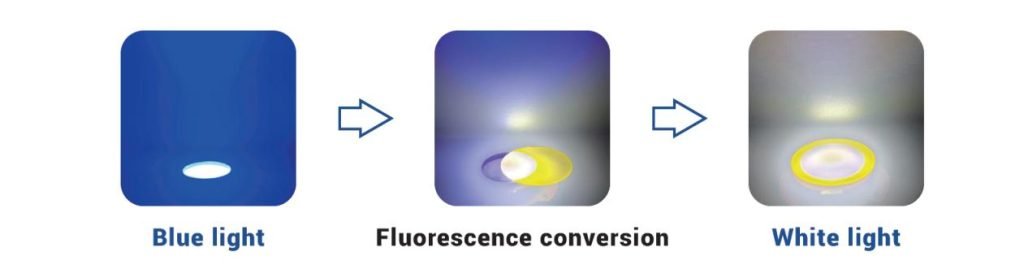
When manufacturing warm-white or cool-white LEDs, the blue emission from the semiconductor die must pass through a layer of yellow, red, or green phosphors suspended in a silicone matrix. If this layer is too thick, the light shifts toward a warmer, yellower spectrum. If the layer is too thin, the output remains excessively blue. This variance causes the finished products to fall into different performance bins, reducing the yield of the most valuable, high-demand color temperatures.
The high-frequency control capabilities of the Woosuk PIC allow for the deposition of incredibly consistent micro-droplets. By maintaining volumetric tolerances within single-digit percentage ranges, the system directly reduces color temperature variations across production runs. This stability allows manufacturers to target specific coordinates on the CIE chromaticity diagram with high repeatability, directly improving the efficiency of the assembly line.
Preventing Sedimentation and Fluid Separation
Heavy phosphor particles suspended in lighter silicone matrices are naturally prone to settling over time, a process known as sedimentation. If the fluid remains static or if the dispensing system cannot handle the resulting change in particle density, the early stages of a batch will have a lower phosphor concentration than the later stages.
Continuous-flow and jetting systems integrated with the Woosuk PIC help combat this issue. Because the controller supports rapid, continuous cycle rates, the fluid in the dispensing path is kept in a state of consistent dynamic shear. This movement helps keep the particles suspended uniformly throughout the fluid channel, preventing localized packing at the nozzle inlet and avoiding costly blockages that disrupt factory output.
Operational Integration of the Woosuk PIC by CAS
Having a capable controller is only one part of the solution; successful implementation requires seamless integration with the larger factory ecosystem. This is where the engineering expertise of CAS becomes vital, translating raw hardware capability into a functioning, automated production cell.
Synchronization with Automated Handling Equipment
On a high-speed assembly line, the dispensing station must communicate perfectly with pick-and-place robots, conveyor systems, and optical inspection cameras. The Woosuk PIC is designed to receive and send low-latency trigger signals, allowing the jetting valve to fire precisely when the LED substrate is positioned beneath the nozzle.
CAS designs integrated control interfaces that bridge the communication gap between the dispensing controller and the main programmable logic controllers (PLCs) governing the production line. This integration ensures that if a sensor detects a misaligned substrate or an empty nest, the dispensing command is instantly held, saving valuable phosphor materials and preventing fluid contamination on the transport belts.
Closed-Loop Sensor Feedback and Calibration
Modern smart factory initiatives rely heavily on data collection and adaptive control loops. CAS implements systems where automated weight-scale sensors and 3D optical inspection systems measure the volume of dispensed material at regular intervals. If these measurements show a slight deviation from the nominal target, the data is fed back to the Woosuk PIC.
The controller then automatically makes micro-adjustments to the driving voltage or stroke length without requiring human operators to halt the machine. This closed-loop calibration process reduces the reliance on manual quality audits, shifting the production environment from reactive inspection to proactive process correction.
Primary Application Areas in High-Yield LED Production
The flexibility of the control system allows it to be used across various product families within the optoelectronics sector. From ultra-compact displays to high-power architectural lighting, different product types present unique challenges that the platform is well-equipped to handle.
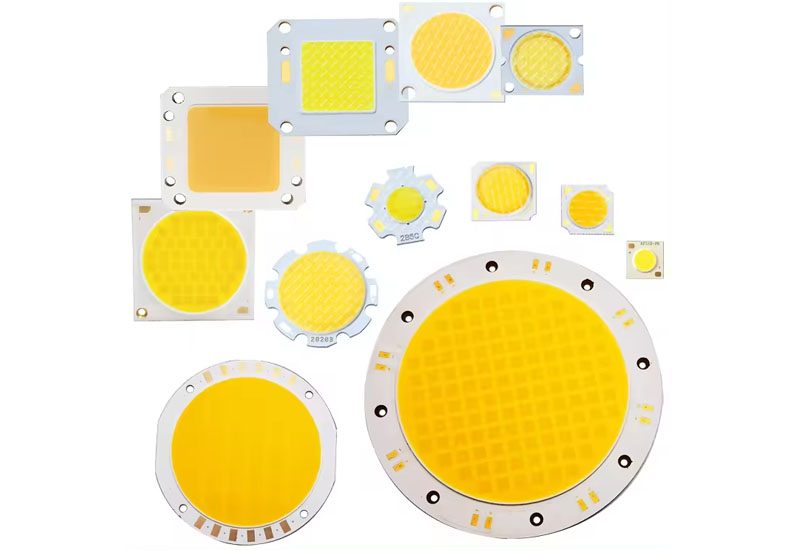
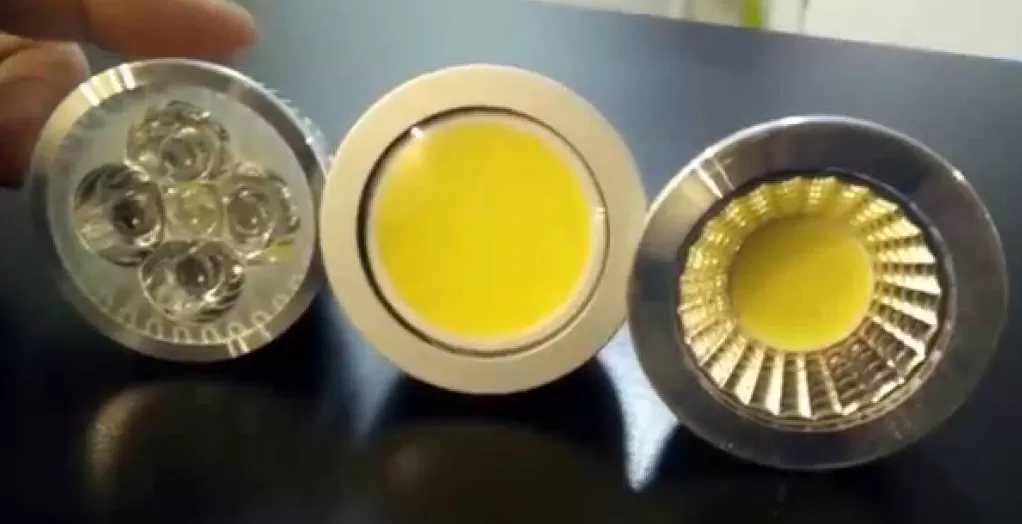
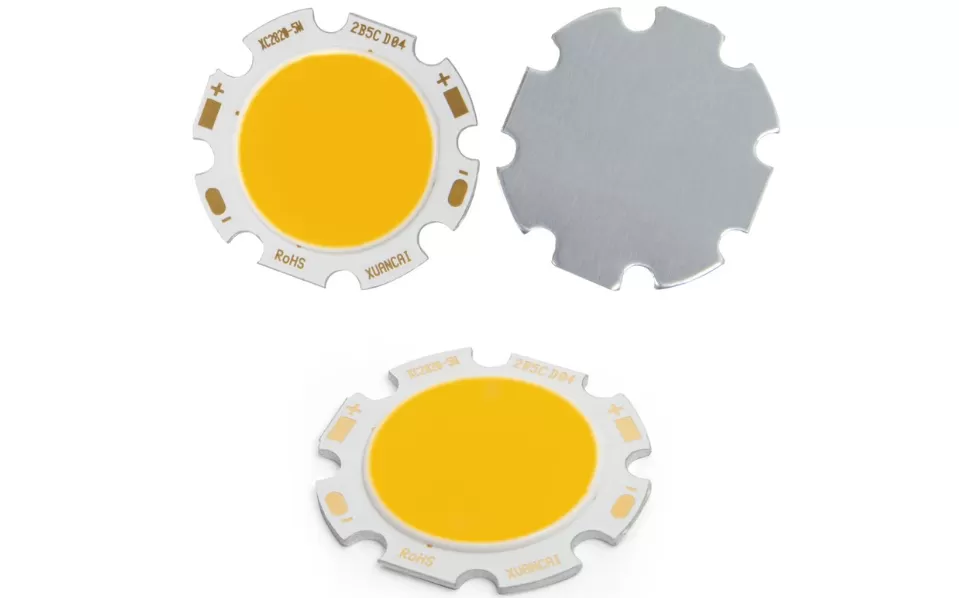
Chip-on-Board (COB) Arrays: These devices require the deposition of a continuous, uniform dam of structural adhesive followed by a precise fill of phosphor slurry over a dense matrix of blue LED dies. The controller manages the transitions between high-speed line drawing and precise dot filling, preventing voids or bubbles in the encapsulant.
Chip Scale Packages (CSP): In CSP manufacturing, the footprint of the package is virtually identical to the size of the semiconductor die itself. This leaves zero margin for error. The micro-dispensing capabilities of the platform enable the placement of sub-nanoliter volumes exactly on the die surface without overflowing the edges.
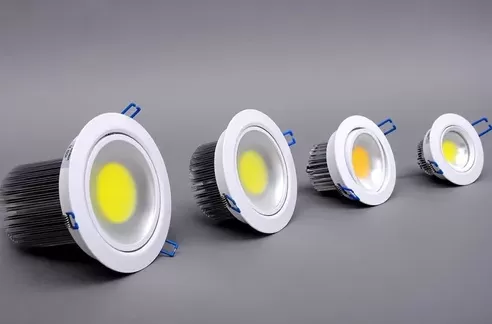
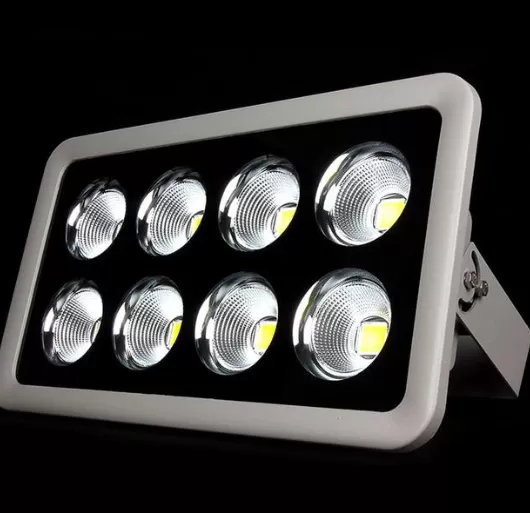
High-Power Outdoor Luminaires: Streetlights and industrial floodlights require robust thermal management and consistent light distribution. Utilizing precise control systems to apply uniform layers of silicone encapsulant ensures that the physical protection of the semiconductor die does not come at the expense of optical efficiency or color consistency.
Enhancing Line Yields and Reducing Long-Term Material Waste
In high-volume manufacturing, material costs represent a significant portion of the total cost of ownership. Phosphor-loaded silicones are expensive, specialized chemical compounds. Traditional dispensing methods often suffer from "tailing" or dripping, which wastes fluid and contaminates packaging surfaces, leading to rejected parts.
By using the clean, non-contact shut-off capabilities controlled by the Woosuk PIC, fluid separation occurs instantly at the nozzle tip. This clean break eliminates the stringing of fluid, meaning that every microgram of material is deposited precisely where it is intended. Over a year of continuous production, this minimization of waste translates into substantial cost savings and a cleaner, more reliable production floor.
Furthermore, the reduction in mechanical contact between the dispensing head and the substrate minimizes wear on both the valve components and the delicate LED assemblies. This translates directly to longer intervals between scheduled maintenance, reduced consumption of replacement nozzles, and overall higher equipment effectiveness (OEE).
Inquiry and Collaboration with CAS
Implementing high-precision jetting technology requires careful evaluation of fluid characteristics, substrate geometries, and existing production line architectures. CAS offers dedicated engineering services to assist manufacturing facilities in evaluating, integrating, and maintaining advanced dispensing setups equipped with the Woosuk PIC system.
To discuss your specific manufacturing requirements, fluid characteristics, or factory integration goals, please contact our technical sales team. We welcome your inquiries and are prepared to provide comprehensive system evaluations, component testing, and detailed project proposals tailored to your facility's operational needs.
Frequently Asked Questions (FAQ)
Q1: What is the primary advantage of the Woosuk PIC compared to traditional pneumatic dispensing controllers?
A1: The primary advantage is its ability to precisely regulate the electrical waveforms sent to piezoelectric actuators. This allows for extremely rapid valve movements, precise volume control at the sub-nanoliter scale, and clean fluid shearing without the variations associated with air-pressure fluctuations.
Q2: How does the system prevent the phosphor particles from settling in the fluid lines?
A2: While the controller does not physically mix the fluid, its support for high-frequency jetting keeps the phosphor-silicone slurry in a constant state of dynamic movement. This continuous shearing action helps maintain a uniform suspension of phosphor particles throughout the material path.
Q3: Can the controller handle different types of fluids within the same assembly line?
A3: Yes. The system can store multiple operating profiles with distinct voltage, frequency, and wave shape configurations. This allows operators to quickly switch parameters when transitioning from low-viscosity underfills to high-viscosity structural adhesives or phosphor slurries.
Q4: How does CAS assist with the initial setup and calibration of the controller?
A4: CAS provides complete integration support, including physical mounting design, programming of the communications interface with existing PLCs, fluid testing to establish baseline dispensing profiles, and the setup of closed-loop feedback systems using external sensors.
Q5: What maintenance is required to ensure the long-term repeatability of the dispensing system?
A5: Regular maintenance involves flushing the fluid path to prevent material curing, checking the nozzle tip for mechanical wear, calibrating the piezo stroke using the controller’s diagnostic tools, and ensuring that the temperature sensor and heating elements remain calibrated.