Choosing the right LED configuration directly impacts project costs, light quality, and long-term fixture reliability. Commercial buyers and lighting designers often find themselves weighing two primary packaging styles: Chip-on-Board (COB, frequently searched as Cobb light) and Surface Mounted Device (SMD) LEDs.
Both technologies deliver high energy savings and long service lifespans. However, their physical architectures create massive differences in optical control, color mixing, and heat management. At CAS, we manufacture and engineer commercial lighting solutions across both platforms to solve diverse field requirements.
If you are planning a large-scale project or upgrading an existing commercial facility, send your lighting schedule to the CAS technical team today for a tailored photometric analysis and wholesale pricing.
Direct Answer for Buyers: A Cobb light packs dozens of micro-diodes into a single module to produce a dense, uniform, center-focused beam free of multiple shadows. In contrast, an SMD LED uses separate diodes spaced across a circuit board to create wide, diffused lighting with superior color-changing (RGB) capabilities.
Quick Comparison: Cobb (COB) vs. SMD LED at a Glance
Before reviewing the technical mechanics, use this reference table to evaluate how each LED package behaves across core operational benchmarks.
| Feature / Metric | Cobb (COB) Light | SMD LED |
|---|---|---|
| Diode Density | Extremely high (single continuous light surface) | Low to medium (individual spaced diodes) |
| Beam Quality | Focused, uniform, clean edge shadow | Wide, diffuse, potential multi-shadows |
| Glare Index (UGR) | High intensity at source; requires deep reflectors | Softer source emission; easily diffused across panels |
| Thermal Resistance | Low internal resistance via ceramic/metal substrate | Moderate resistance through individual solder pads |
| Color Options | Fixed CCT, high CRI (up to 98 CRI), limited RGB | Monochrome, Tunable White, RGB, RGBW, RGBCW |
| Beam Angle Range | Narrow to medium (15° to 60° typically) | Wide native angle (120° standard) |
| Maintenance Profile | Module replacement required upon failure | Individual diode or strip section replacement |
What is a Cobb (COB) Light?
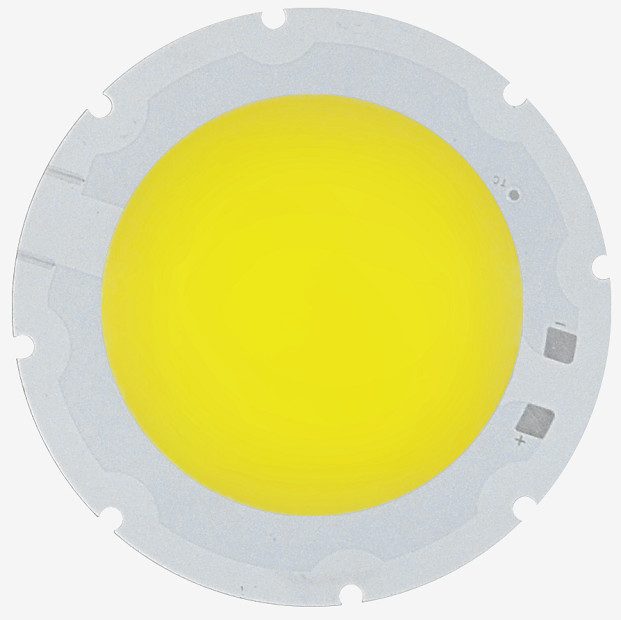
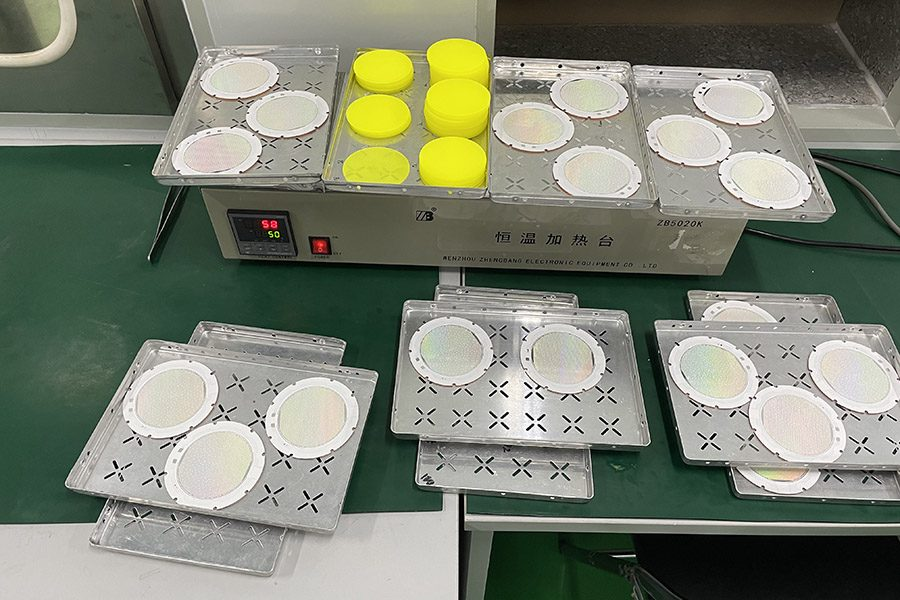
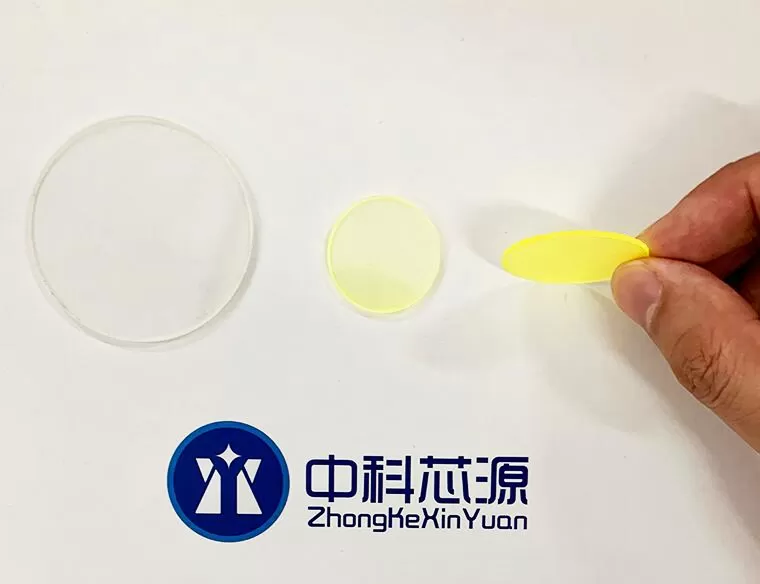
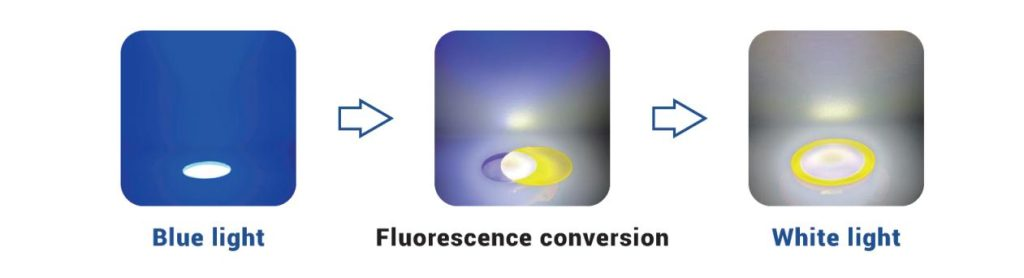
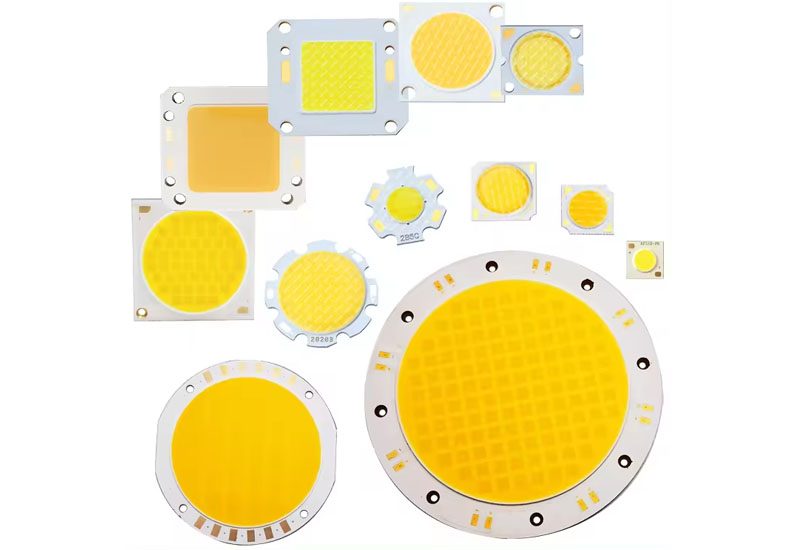
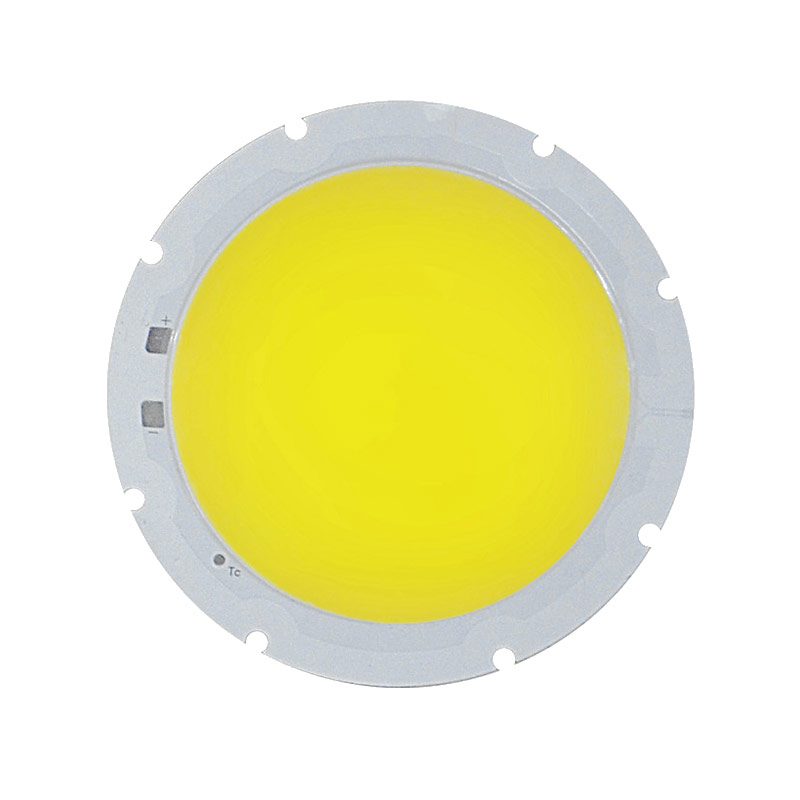
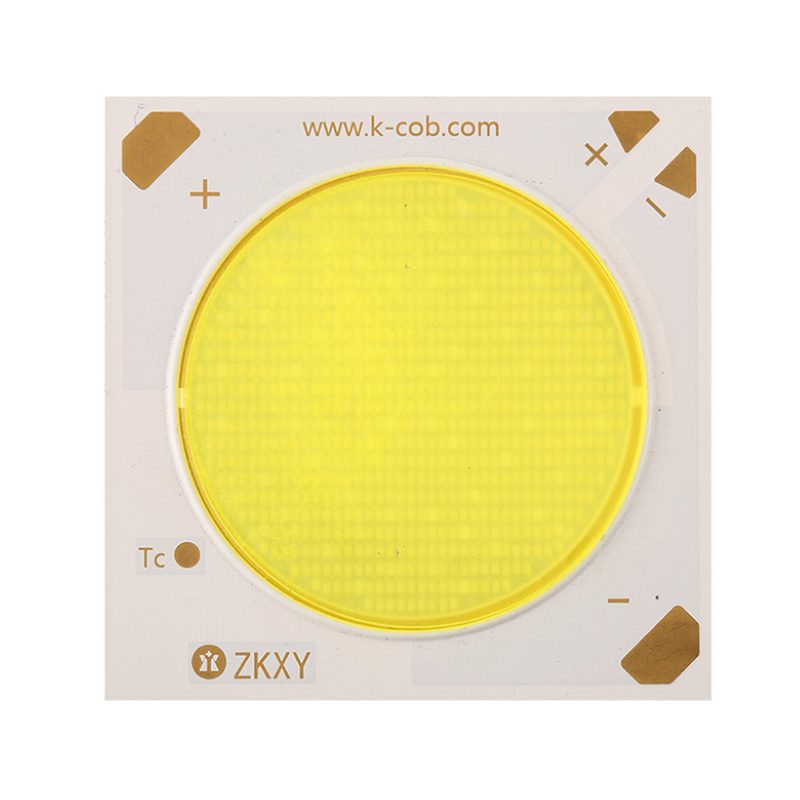
A Chip-on-Board array—commonly misspelled by buyers as a "Cobb light"—mounts multiple bare LED dies directly onto a thermally conductive substrate, such as ceramic or aluminum. Rather than packaging each diode in an individual plastic casing, the manufacturer coats the entire array with a continuous layer of yellow phosphor.
This construction eliminates the external leads and housing found in traditional packages. The entire cluster lights up simultaneously, functioning like a single, solid luminous panel rather than distinct points of light.
According to the U.S. Department of Energy Solid-State Lighting program, direct-attach packaging methods substantially reduce packaging layers, lowering thermal resistance between the semiconductor junction and the heat sink.
Core Advantages of Cobb Lights
- High Lumen Density: Engineers pack massive lumen outputs into compact footprints, delivering intense punch from small fixture housings.
- Absence of Multi-Shadows: The continuous phosphor sheet emits a single, crisp beam. It avoids the overlapping, jagged shadows typical of multi-diode arrays.
- Precise Optical Direction: Narrow reflectors and optical lenses integrate seamlessly with COB arrays for deep-throw accent lighting.
- Compact Fixture Profiles: Downlights and track heads stay small while producing up to 10,000+ lumens.
Drawbacks of Cobb Lights
- Monochrome Limitations: Multi-color chips are rarely integrated into standard arrays, making dynamic color mixing difficult.
- Concentrated Heat: While thermal resistance is low, the total thermal energy concentrates into a tiny footprint. The fixture demands robust heat sinking.
- Single Point of Failure: If a catastrophic surge breaches the driver or array circuit, the entire module goes dark.
What is an SMD LED?
Surface Mounted Device (SMD) packaging is the most common form factor in commercial illumination. Manufacturers mount discrete diode chips into individual protective carriers (such as 2835, 3030, or 5050 packages) and solder them onto a Metal Core Printed Circuit Board (MCPCB).
Each SMD unit functions as an independent light source with its own phosphor coating, wire bonds, and optical cover. The electrical circuitry branches across the board, linking the chips in parallel or series strings.
Core Advantages of SMD LEDs
- Color Versatility: Manufacturers place red, green, and blue dies inside a single 5050 SMD package. This permits full-spectrum dynamic tuning and RGBW effects.
- Wide Beam Spread: SMDs naturally produce a 120-degree light distribution, making them ideal for broad area coverage.
- Distributed Heat: Spreading chips across a broad circuit board spreads thermal loads, lowering heat sink weight requirements.
- High Luminous Efficacy: SMD platforms routinely hit up to 180-210 lumens per watt in mass commercial production runs.
Drawbacks of SMD LEDs
- Multiple Shadows: Unscreened SMD clusters cast distinct, repetitive shadows on nearby walls or surfaces.
- Glare from Dot Arrays: Exposed SMD arrays create a harsh "strip of dots" look unless covered by heavy frosted diffusers, which cuts fixture efficiency.
- Difficult Optical Control: Narrowing an SMD fixture's beam down to a tight 15-degree spotlight requires complex, bulky secondary lens arrays.
Cobb Light vs. SMD LED: In-Depth Comparison
Understanding internal mechanics helps engineering teams make informed procurement choices. Below is a detailed breakdown of how each technology performs under commercial operation.
Light Quality and Uniformity
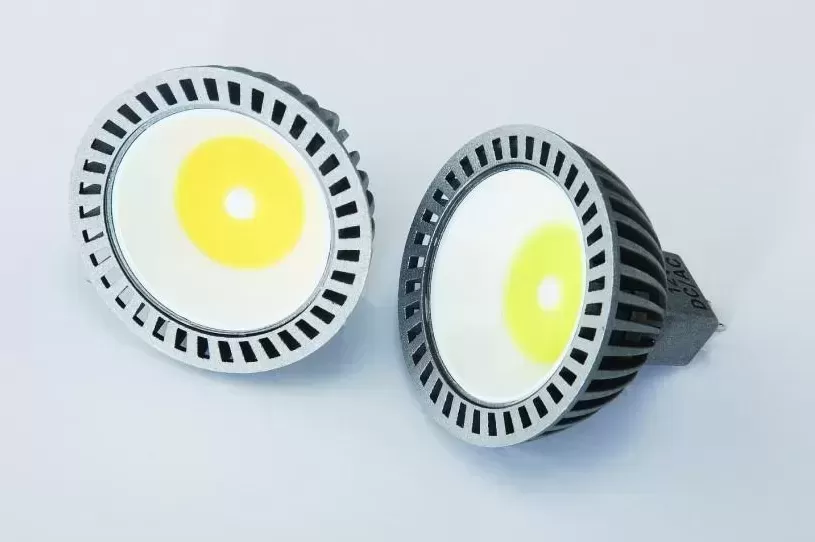
Beam texture sets these two platforms apart immediately. A Cobb light acts as a unified optical source. When pointed at architectural surfaces, products, or artwork, it creates smooth gradients and clean cut-offs without striations.
SMD packages act as separate point sources. Without thick polycarbonate diffusers, users see hot spots. In retail display cases or art galleries, this effect causes visual clutter and uneven lighting across the displayed inventory.
Energy Efficiency and Lumens Output
SMD LEDs edge out Cobb lights in theoretical luminous efficacy for wide-area general lighting. Because SMD chips sit spread out across a large board, light escapes the package without self-absorption from neighboring dies.
However, when a fixture demands a focused beam (under 30 degrees), a Cobb light proves more system-efficient. Directing an SMD array into a tight beam requires TIR (Total Internal Reflection) optics that absorb 10% to 18% of the initial lumens. The Cobb light needs only a simple aluminum reflector, retaining higher net fixture output.
The manufacturing guidelines defined by the Illuminating Engineering Society (IES) confirm that optical delivery efficiency matters just as much as raw chip-level luminous efficacy.
Heat Dissipation and Lifespan
Heat dissipation affects long-term color drift and lumen maintenance (L70 and L90 operational life). Cobb modules bond directly to ceramic or metal backplates, minimizing the boundary layers between the diode junction and the fixture chassis.
However, that thermal energy stays concentrated in an area often no larger than a coin. If your luminaire lacks an engineered die-cast aluminum heat sink, the Cobb light experiences thermal degradation faster than an equivalent SMD array. At CAS, our engineering lab models thermal conduction paths to balance junction temperatures across all Cobb installations.
SMD LEDs generate dispersed heat. Since each chip sits separated by several millimeters, the printed circuit board acts as its own passive radiator. This distributed thermal profile simplifies thermal management in flat panel fixtures and batten lights.
Color Versatility
If your project calls for color-changing scenes, SMD is the mandatory choice. An SMD board accommodates red, green, blue, amber, and tunable white chips side-by-side. Dynamic architectural lighting relies on SMD platforms for this reason.
Where Cobb arrays dominate is color fidelity within white spectrums. Because manufacturers apply one controlled phosphor blend over the entire die cluster, Cobb lights hit exceptional Color Rendering Index (CRI) levels, frequently exceeding 95 to 98 CRI, with high R9 red values.
Cost, Assembly, and Manufacturing
SMD LEDs benefit from massive global production scales, making the individual components inexpensive. However, mounting hundreds of SMDs onto a board requires automated Surface Mount Technology (SMT) pick-and-place lines, adding factory processing stages.
Cobb light modules cost more per package, but they drastically cut downstream fixture assembly steps. A worker or automated cell secures a single module with two screws and a thermal paste layer, eliminating complex multi-point soldering.
Best Use Cases: Which One Should You Choose?
Every commercial application presents unique structural, aesthetic, and optical constraints. Match your application to the appropriate technology below.
When to Specify a Cobb (COB) Light
- Retail and Museum Spotlights: High CRI Cobb lights illuminate merchandise, fabrics, and paintings without false color rendering or multiple edge shadows.
- Track Lights and Recessed Downlights: Cobb technology concentrates lumens into controlled optical cones, directing light onto sales floors while keeping ceiling glare low.
- High-Power Video and Photography Lighting: Film sets demand single-shadow projection and flicker-free outputs with high television lighting consistency index (TLCI) values.
- High-Bay Industrial Luminaires: Warehouses with high ceilings benefit from intense, narrow Cobb beams that reach the floor without scattering into racking tops.
When to Specify an SMD LED
- Linear Fixtures and LED Strips: The small, flexible profile of SMDs makes them perfect for cove lighting, under-cabinet channels, and perimeter runs.
- Troffers and Flat Panels: Office spaces require diffuse, low-contrast illumination across wide work surfaces to prevent eye strain.
- Exterior Floodlights and Wall Packs: Wide-beam perimeter lighting relies on SMD chips to cover broad parking lots and pedestrian pathways.
- Smart RGB Lighting: Any commercial space requiring mood setting, scene changes, or human-centric circadian cycle tuning requires an SMD setup.
Frequently Asked Questions
Q1: Why do some buyers call it a Cobb light instead of a COB
light?
A1: The term "Cobb light" is a common phonetic spelling error
of the industry acronym COB, which stands for Chip-on-Board. Both terms refer to
the exact same packaging architecture where unpackaged semiconductor dies mount
straight onto a substrate.
Q2: Is a Cobb light brighter than an SMD LED fixture of the same
wattage?
A2: A Cobb light is not inherently brighter in total
lumens, but it possesses higher luminous intensity (candela). This means its
light is tightly concentrated, making it appear much brighter in the center of
the beam compared to the spread-out light of an SMD array.
Q3: Do Cobb lights produce more heat than SMD arrays?
A3:
They generate approximately the same total heat per watt consumed. However, a
Cobb light concentrates that heat into a tiny surface area, whereas an SMD board
spreads heat out across a large board surface. Cobb fixtures therefore require
more focused thermal sinking directly behind the module.
Q4: Which technology lasts longer under continuous commercial
use?
A4: Both packages routinely exceed 50,000 hours of L70
operational life when paired with properly engineered drivers and thermal
management. However, SMD boards hold up slightly better in passively ventilated
housings because their heat is not concentrated in one spot.
Q5: Can I replace an SMD board with a Cobb light module
directly?
A5: No. Cobb modules run on different forward voltage and
drive current profiles than distributed SMD boards. Furthermore, the optical
reflectors and heat sink mounting patterns differ completely. You must replace
or redesign the luminaire system to switch between platforms.
Neither lighting method is universally superior. The choice between a Cobb light and an SMD LED comes down to beam control, optical texture, and color requirements. When your priority is punchy, high-contrast, directional accent light with high color fidelity, COB technology is the industry standard. When your project demands wide area diffusion, maximum raw lumen-per-watt values, or multi-color versatility, SMD remains the workhorse.
CAS supplies commercial-grade luminaires across both COB and SMD categories. Our production facilities maintain strict binning controls to ensure your fixtures match color temperatures consistently across every production run.
Are you drafting an upcoming commercial lighting bid or planning a facility upgrade? Submit your project requirements to CAS today. Our lighting engineers will review your layout, produce photometric models, and supply a competitive wholesale quote tailored to your exact specifications.