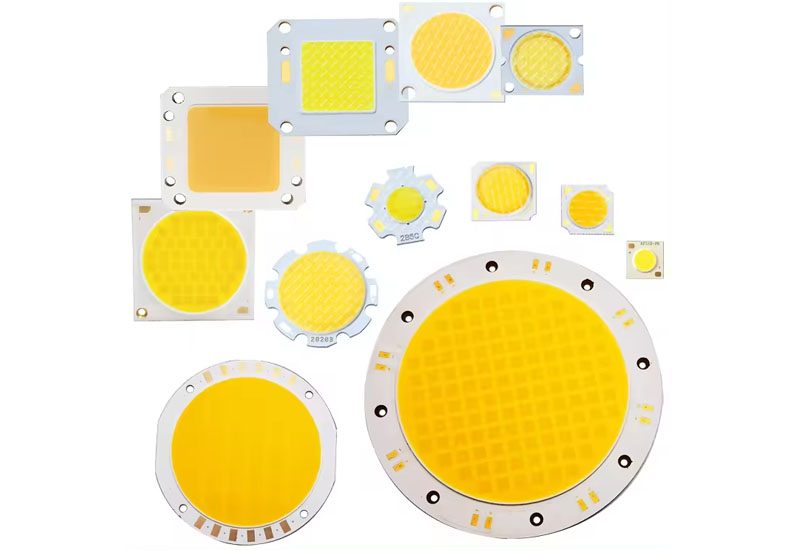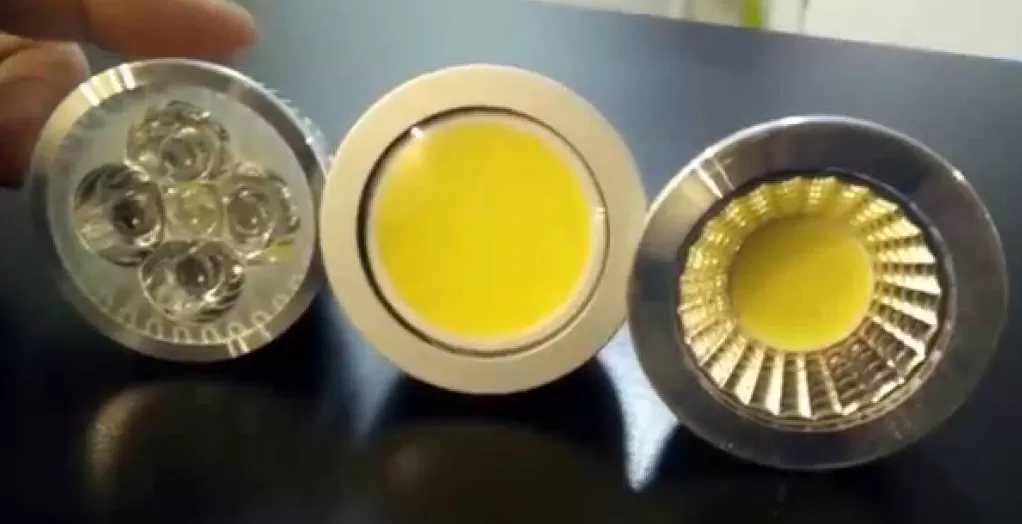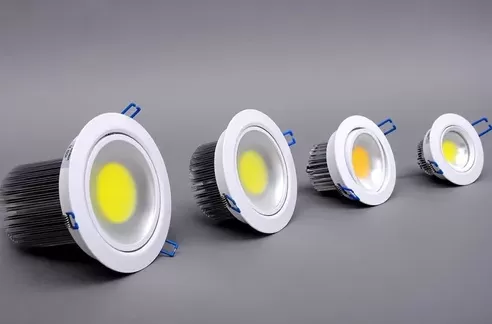
High-power LED luminaires demand extreme thermal stability and superior optical performance. Traditional organic packaging materials often fail under high temperature and high power density. At CAS Ceramic, we engineer advanced inorganic ceramic optics designed for the most challenging lighting applications.
If you are searching for a high-efficiency green ceramic plate, you are in the right place. Our phosphor ceramic solutions eliminate the thermal bottlenecks of legacy LED design, offering uncompromised optical clarity, structural integrity, and prolonged lifespan.
1. Revolutionizing High-Power LED Lighting: What is a Green Ceramic
Plate?
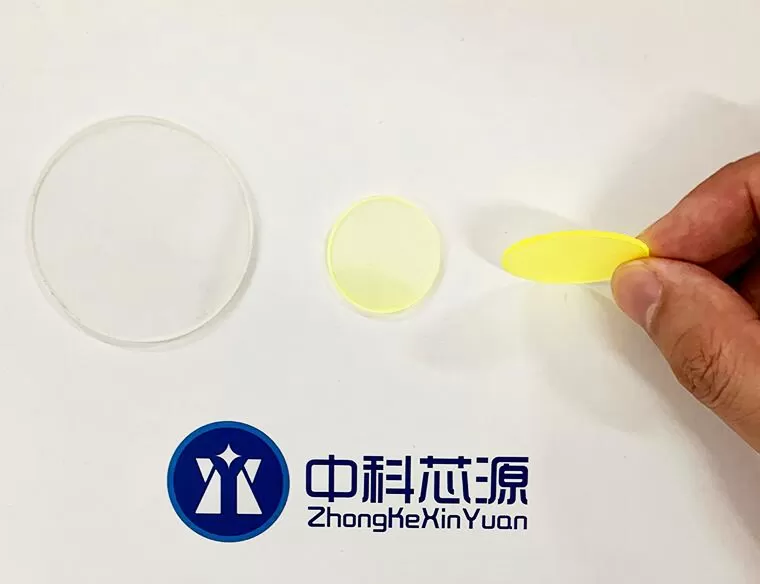
In the context of industrial LED packaging, a green ceramic plate is not table dinnerware. It is a highly specialized phosphor ceramic sheet used for wavelength conversion and optical beam shaping in high-power LED arrays.
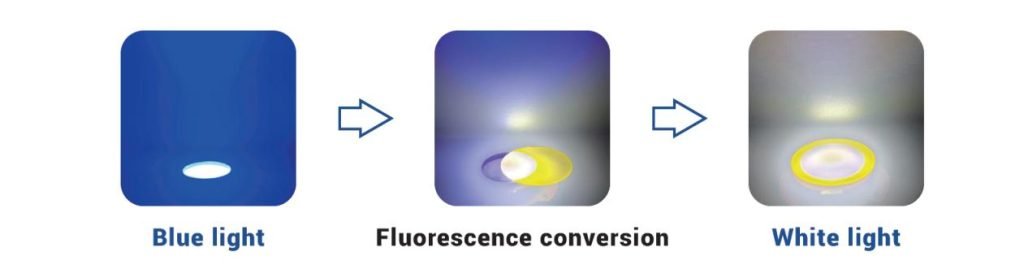
Engineers integrate these green phosphor ceramic plates into high-density LED light engines. The ceramic plate absorbs primary blue light emitted by the LED chip and converts it into precise green or broad-spectrum light with exceptional efficiency.
Understanding Phosphor Green Ceramic Plates
A phosphor ceramic plate is a sintered inorganic material. Unlike soft coatings, it forms a solid, dense physical layer directly over the LED die. This layer controls light output and withstands severe heat without physical deformation.
By utilizing a green ceramic plate in your optical engine, you achieve controlled spectral distribution. This capability is vital for high-CRI white lighting, specialized stage lighting, and horticultural growth systems.
Inorganic Ceramic vs. Traditional Silicone Encapsulants
For years, manufacturers relied on organic silicone or epoxy resins mixed with phosphor powders. However, organic binder systems suffer from severe limitations when driven at high currents:
Thermal Degradation: Organic silicone discolors and carbonizes when operational temperatures cross 150°C.
Yellowing and Color Shift: Heat causes silicone to turn yellow, shifting the light output and lowering color rendering accuracy over time.
Poor Thermal Conductivity: Silicone acts as a thermal insulator, trapping heat directly inside the LED junction.
Inorganic Phosphor Ceramic Stability: Inorganic ceramic phosphor COB modules withstand temperatures exceeding 500°C without burning, yellowing, or degrading.
By replacing silicone with a high thermal conductivity ceramic substrate, you eliminate color shift and double the operational reliability of your high-power fixtures.
2. Why Choose CAS K-COB Green Ceramic Plates for Your LED Projects?
Selecting the right ceramic supplier directly impacts the commercial success of your lighting fixtures. CAS Ceramic brings scientific rigor and patented technology to the solid-state lighting industry.
Academic R&D Heritage
CAS Ceramic was established in 2013, backed by top scientists from the Chinese Academy of Sciences (CAS). Our research team focuses exclusively on solving the thermal management and lumen decay issues that limit high-power LED development.
We do not just produce ceramics; we innovate crystal structures and sintering processes to deliver industry-leading optical performance.
Patented K-COB Technology
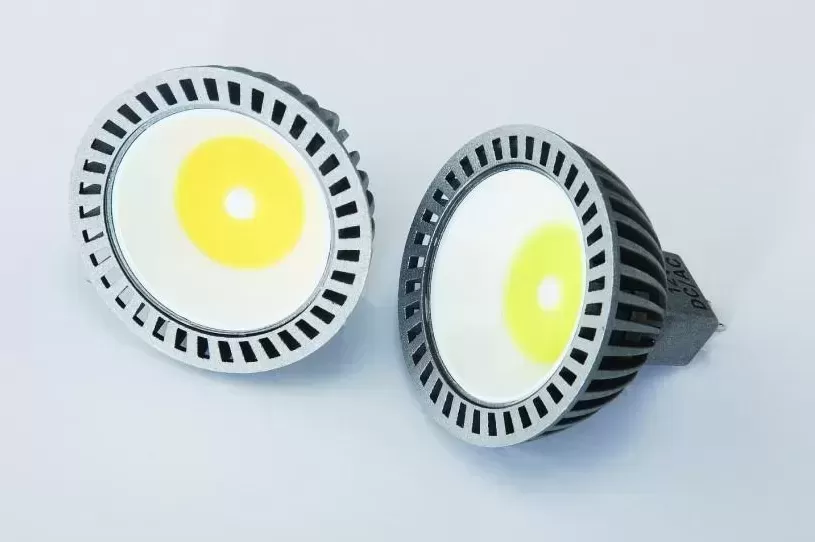
CAS is the world's only manufacturer to achieve full-scale mass production using proprietary K-COB technology. K-COB redefines high-power lighting standards by bonding inorganic phosphor ceramic plates directly onto high-conductivity heat sinks.
This technical breakthrough allows lighting engineers to build smaller, brighter, and cooler light engines without sacrificing color quality.
Patented Dual-Channel Heat Sinking Structure
Standard LED packages force heat to travel downward through a single thermal pathway. High power LED dual-channel cooling changes this geometry completely:
Primary Channel: Heat dissipates downward through the ceramic base into the printed circuit board (PCB).
Secondary Channel: Heat radiates outward from the top surface of the phosphor ceramic plate directly into the surrounding atmosphere or secondary optic.
This dual-channel architecture reduces the LED junction temperature by up to 20°C compared to standard packages. Lower junction temperatures translate directly to extended fixture lifetimes and minimal lumen depreciation.
World's First LM-80 Certified High-Power COB
Quality claims require reliable laboratory verification. CAS holds 5 international invention patents and multiple global certifications.
We are proud to offer the market's only LM-80 certified COB LED module featuring phosphor ceramic technology. Our test data proves long-term color stability and lumen retention under continuous high-temperature stress.
3. Applications of Green Ceramic Plates in Next-Gen Lighting Solutions
Our green ceramic plate products serve demanding sectors where light failure is not an option. Key global industries rely on our phosphor ceramic components to maintain consistent optical output.
Industrial High-Bay and Outdoor Systems
Industrial environments push lighting hardware to physical limits. Standard silicone LEDs degrade rapidly when exposed to high ambient heat in factories or enclosed high-bay fixtures.
Industrial High Bays: Ceramic COB engines maintain continuous output in hot ambient warehouse environments up to 60°C.
Flood Lights and Stadium Illumination: High thermal conductivity ceramic substrate technology allows intense light output from compact optical fixtures.
Mining and Tunnel Lights: Dense inorganic ceramic structures resist moisture penetration, vibration, and thermal shock.
Specialized Horticultural and Outdoor Lighting
Specialty applications require tailored spectrums combined with extreme mechanical durability.
Horticultural Lighting: Green ceramic plates help formulate precise plant-growth spectrums, balancing red and blue wavelengths while maintaining systemic energy efficiency.
Automotive Headlights: High luminance green phosphor ceramic plates create razor-sharp cut-off lines and intense beam projection for premium automotive headlight modules.
Stage and Entertainment Lighting: High-power spotlight engines require extreme center-beam candlepower without thermal defocusing.
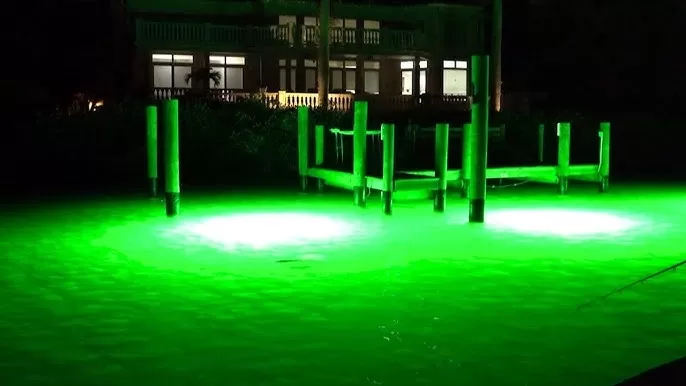
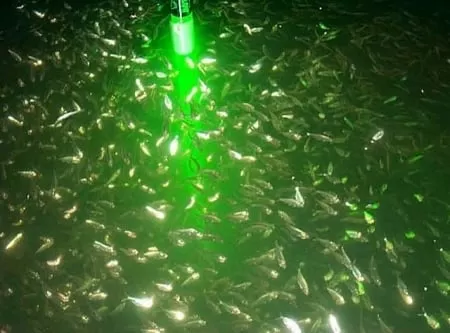
Marine and Fishing Lamps: High-power green light penetrates deep water to attract marine life, requiring packages that endure harsh ocean environments.
4. Custom OEM/ODM Solutions from CAS – Your Trusted Ceramic LED Factory
As a direct OEM/ODM LED phosphor ceramic factory, CAS Ceramic supports lighting manufacturers from initial optical concept through full-scale mass manufacturing.
Custom Specifications Available
Every lighting design has unique physical and optical requirements. We offer complete custom engineering services for your project:
Dimensions and Shapes: Square, rectangular, circular, or custom CNC-cut geometries to match custom LED die layouts.
Thickness Range: Precision polishing options from 0.1mm to 1.5mm to balance mechanical strength with light conversion efficiency.
Spectral Profile & CCT: Customizable green-peak emission wavelengths, custom chromaticity coordinates, and tailored correlated color temperatures (CCT).
Power Density Mapping: Custom ceramic formulations designed for power densities exceeding 30W/mm².
Factory Capacity and Quality Assurance
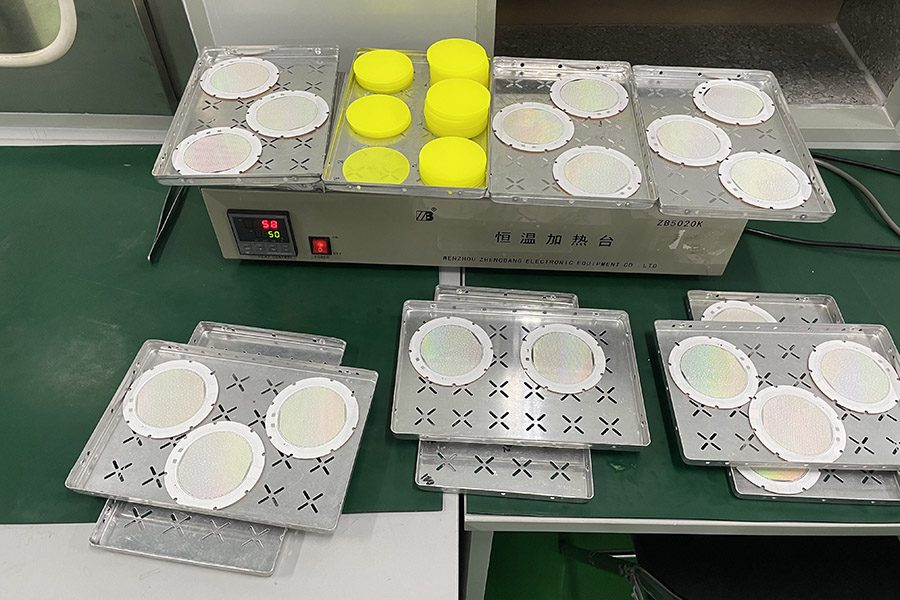
Our cleanroom manufacturing facilities house automated sintering furnaces, laser cutting machinery, and automated optical inspection (AOI) systems.
We control every step of the production chain. This end-to-end control guarantees strict batch-to-batch consistency, low optical distortion, and exact chromatic tolerance across every production run.
Complete Engineering Support
When you partner with CAS, our technical team becomes an extension of your R&D department. We provide:
Optical ray-tracing simulation and modeling.
Thermal dissipation modeling and junction temperature estimation.
Rapid prototyping within 7 to 10 working days.
Comprehensive reliability testing reports (including LM-80 test data).
5. Frequently Asked Questions (FAQ)
Q1: What makes phosphor green ceramic plates superior to traditional
LED encapsulants?
A1: Phosphor green ceramic plates
are completely inorganic. Unlike organic silicone or epoxy binders, ceramic
plates will not yellow, burn, or degrade under high power densities or high
operating temperatures. They feature significantly higher thermal conductivity,
which lowers junction temperatures, prevents color shift, and dramatically
extends the operational lifespan of high-power LED fixtures.
Q2: Can CAS ceramic plates withstand extreme high-temperature
environments?
A2: Yes, CAS phosphor ceramic plates
easily withstand continuous operating temperatures above 300°C and thermal
shocks over 500°C without physical damage or optical performance loss. This
makes them ideal for enclosed industrial luminaires, automotive headlights, and
intense projection systems where thermal management is difficult.
Q3: What are the OEM/ODM customization processes and lead times at
CAS?
A3: Our custom design process begins with a
technical review of your target optical spectrum, dimensions, and power density.
Once we approve the engineering drawings, we produce custom samples within 7 to
10 business days. Following sample approval, mass production orders typically
ship within 2 to 4 weeks depending on batch volume.
Q4: How does the dual-channel heat sinking technology reduce LED
junction temperature?
A4: Patented K-COB
dual-channel technology allows heat to escape simultaneously through two
pathways: downward through the submount into the PCB heatsink, and upward
through the exposed inorganic ceramic plate surface. This balanced heat flow
prevents thermal concentration at the LED die, lowering junction temperatures by
up to 20°C compared to standard single-path packaging.
Q5: Does CAS provide test reports and LM-80 documentation for bulk
orders?
A5: Yes, CAS provides full technical
documentation for all production series, including complete LM-80 test reports,
spectral distribution data, thermal resistance measurements, and RoHS/REACH
compliance certificates. Our LM-80 certified COB LED module data gives your
engineering team verified third-party proof of long-term lumen maintenance.
Upgrade Your High-Power LED Luminaires with CAS Ceramic
Thermal failure and color shifting should never limit your LED fixture performance. By integrating a high-efficiency green ceramic plate from CAS Ceramic, you gain superior thermal conductivity, absolute color stability, and certified LM-80 reliability.
Are you ready to optimize your high-power LED light engines? Contact our engineering team today to request datasheets, discuss OEM/ODM custom dimensions, or receive sample kits for your prototyping labs.
Contact CAS Ceramic Today – Your Partner for Next-Generation Solid-State Lighting Optics.